Lunchtime elegance – experiencing the set lunch at Suffolk House

On my 56th birthday in January, Cindy and Dorothy, two cherished friends, treated me to a scrumptious luncheon at the charming Suffolk House. This rare surviving Georgian mansion in Penang, dating back to the 1800s, stands as a historical treasure that once served as the residence for successive British governors. The beautifully-restored Anglo-Indian mansion is imbued with an extra layer of enchantment by a sprawling garden and even a running brook. The setting provided a lovely backdrop for our celebration, making the day even more special and memorable.
Continue Reading
Gustoso By The Beach: celebrating authentic Italian cuisine
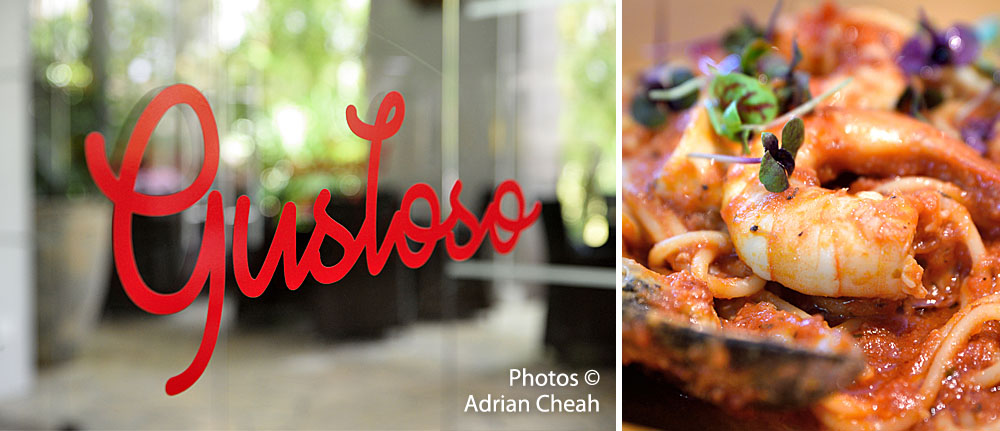
"Gustoso", translates to "tasty" in English. True to its name, the restaurant offers delectable Italian cuisine ranging from antipasti to risotti and from pasta dishes to seafood delights. Situated at the prestigious 5-star PARKROYAL Penang Resort along the famed Batu Ferringhi beach, the restaurant welcomed its first guests in 2019. Under the leadership of Sardinian Head Chef Gianmario Bassu (fondly known as Chef Mario), Gustoso flourished. The menu he curated is still cherished today. Although Chef Mario completed his tenure (2019 – 2022) at PARKROYAL in Penang, his legacy lives on through his well-trained staff, who continue to uphold his culinary techniques and maintain the quality and flavours of his creations.
Continue Reading
Taste and tradition reimagined at T Palace Modern Cuisine
"Life is a grand adventure, or it is nothing." – Helen Keller.
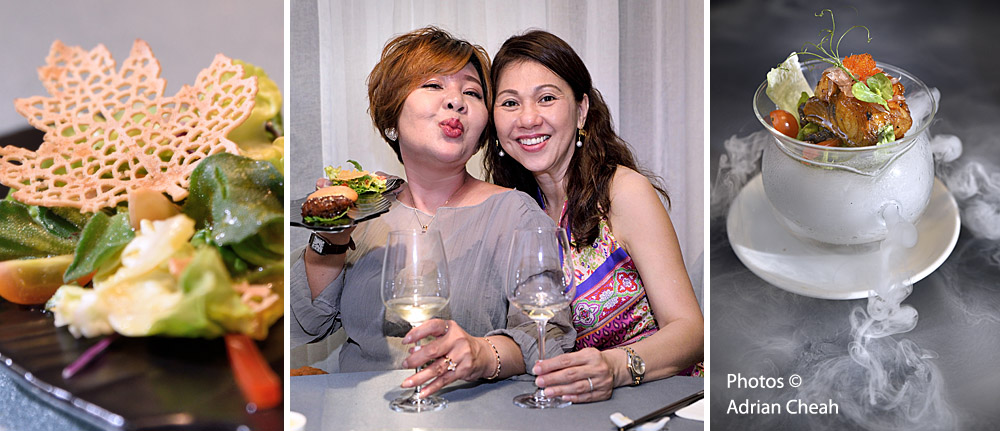
At T Palace Modern Cuisine, the rich legacy of Chinese cuisine unfolds with an avant-garde flair, a culinary haven where tradition coalesces with innovation, and familiar and new flavours intertwine in a symphony of taste. Impeccable quality and daring offerings breathe new life into classic recipes, each dish a visual and gastronomic revelation. Crafted by a creative team of talented chefs, my friends and I discovered this hidden gem, this banquet of delights, in Bukit Mertajam, Penang.
Continue Reading
Wu Wei Tea – What a tea-tillating scoop!
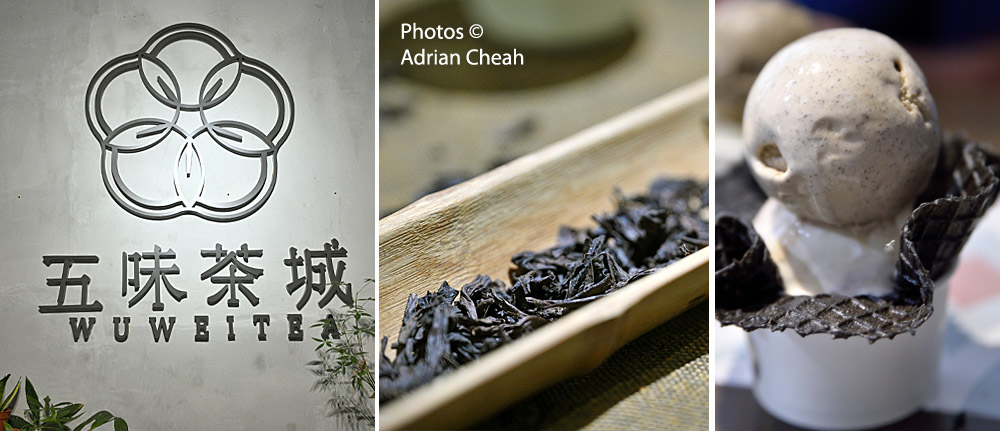
Located at one of the charming heritage shophouses at 31, Lorong Prangin, Wu Wei Tea offers creamy and smooth tea-based ice creams as well as handcrafted brews. Its ice cream flavours are divided into three main categories – tea-based, nut-based and fruit-based, allowing patrons to explore a variety of refreshing options. This unconventional tea house has found a way to marry the timeless elegance of tea with the playful delight of ice cream – an unexpected, yet harmonious combination.
Continue Reading
Flavours and friendship – a lovely luncheon at Beach St. Bistrot
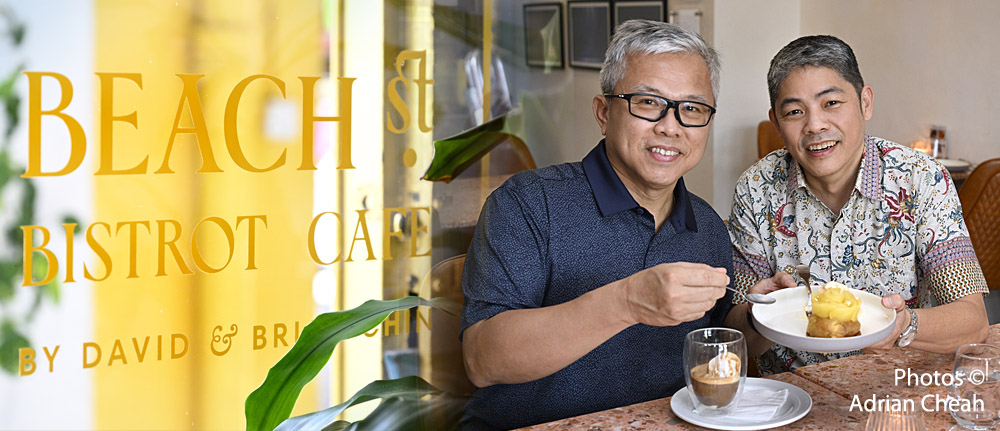
The warm midday sun filtered through the colonial windows of Beach St. Bistrot, casting shifting patterns of light across its charming interior. Outside, the afternoon blazed with tropical intensity, making it all the more refreshing to step into the cool embrace of the air-conditioned restaurant. Though my birthday had passed weeks ago, the celebrations continued – this time over a leisurely luncheon with my dear old friend, Auck Seng.
Continue Reading
The military pillbox of Bumbong Lima
A forgotten relic whose serenity belies a wartime crisis of the past

The sleepy hinterland of Bumbong Lima in Seberang Perai is better known for its iconic Merdeka Bridge which spans across the great Sungai Muda river, bisecting the state of Penang on this side from neighbouring Kedah in the north.
Continue Reading