The Art of Fine Chinese Cuisine at Anovia Banquet Art Centre
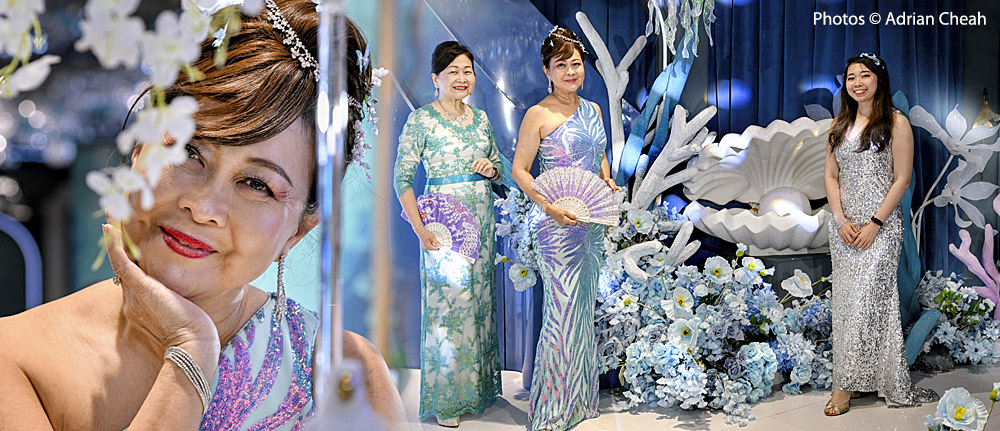
Set within the elaborately decorated oceanic-themed dining hall at Anovia Banquet Art Centre, an intimate birthday celebration was held in honour of Dato’ Lillian Tong, a respected custodian of Penang’s Chinese Peranakan heritage and a woman deeply devoted to preserving its traditions. Family and friends gathered across two tables, brought together by good food and even better company.
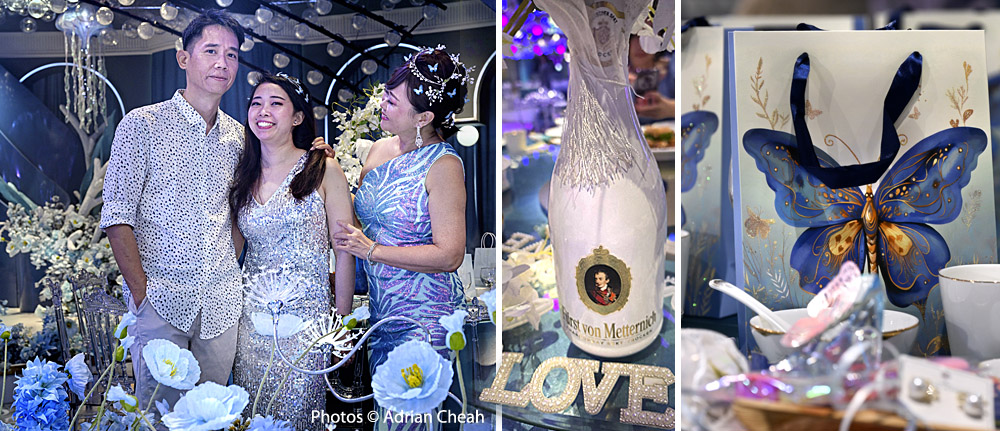
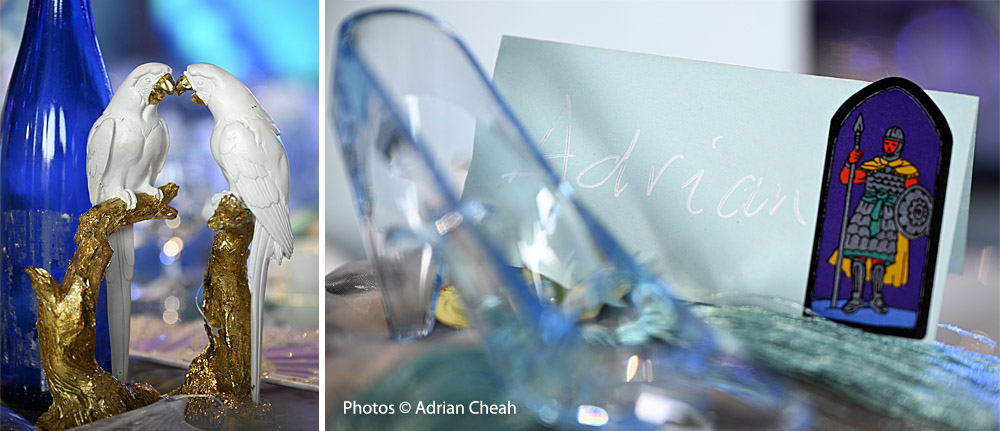
True to her meticulous nature, Lillian left nothing to chance, thoughtfully attending to every detail from the lovely door gifts and beautifully set tables to the personalised name tags, as well as the selection of wines and tea.
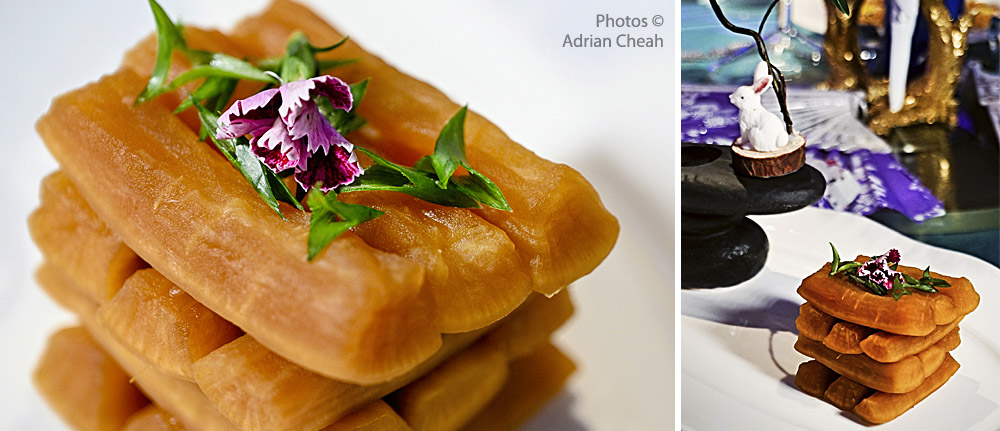
The evening began on a bright note with the Hangzhou-style preserved radish (RM28.00++). Rooted in the culinary traditions of Hangzhou, it reflects a classic approach to preserved vegetables, where time, salt, and careful seasoning with spices transform a simple radish into something deeply flavourful. Its crunchy texture struck a pleasing balance of savoury, slightly sweet, and salty notes, lifted by a distinct spicy kick. Some at the table found it a touch too fiery, but it was very much to my liking.
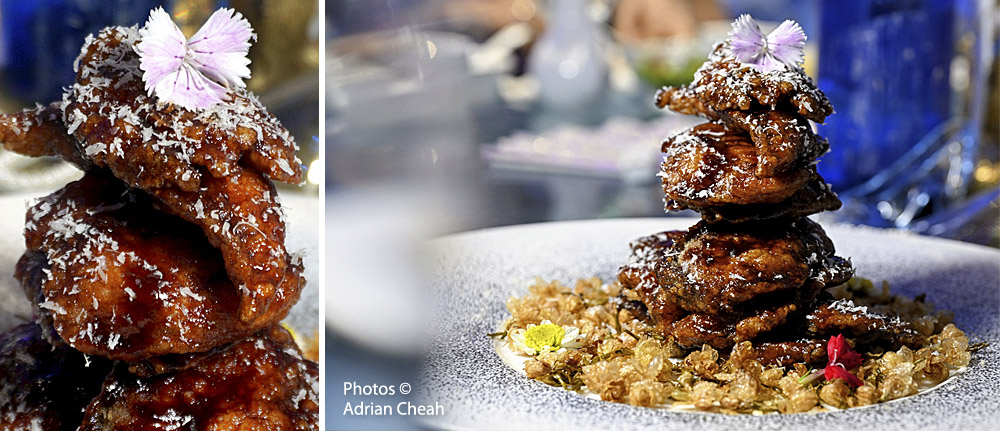
The next dish to arrive was the Old Shanghai osmanthus smoked fish (RM38.00++). Despite its name, the fish was not smoked in the Western sense. Instead, it was deep-fried until crisp, then coated in a caramelised soy-based glaze infused with spices and osmanthus blossoms. The crisp, deep-fried osmanthus flowers lent a delicate floral aroma to the dish. Deep-frying thin slices of fish requires great care to keep the flesh moist and tender while achieving a crisp exterior; otherwise, they can quickly turn leathery.
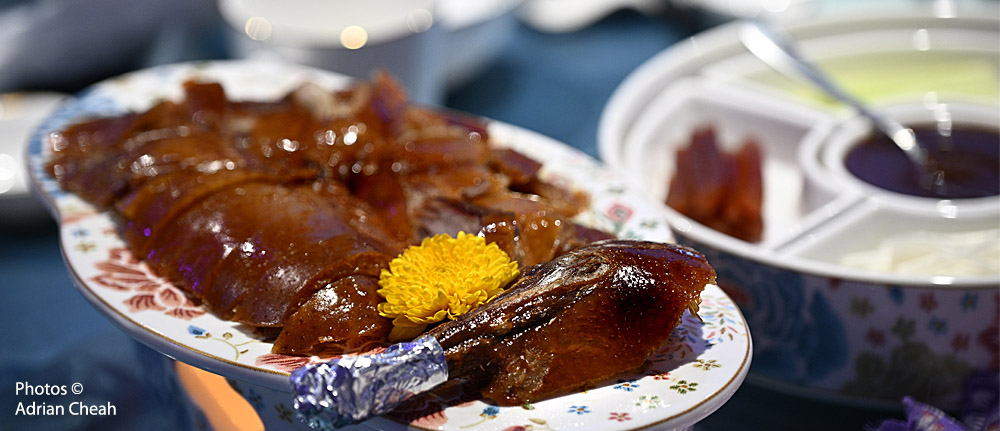
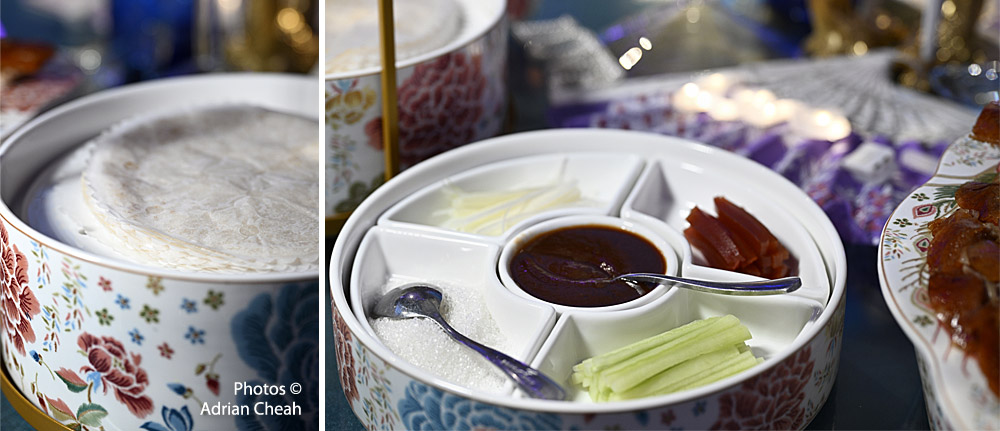
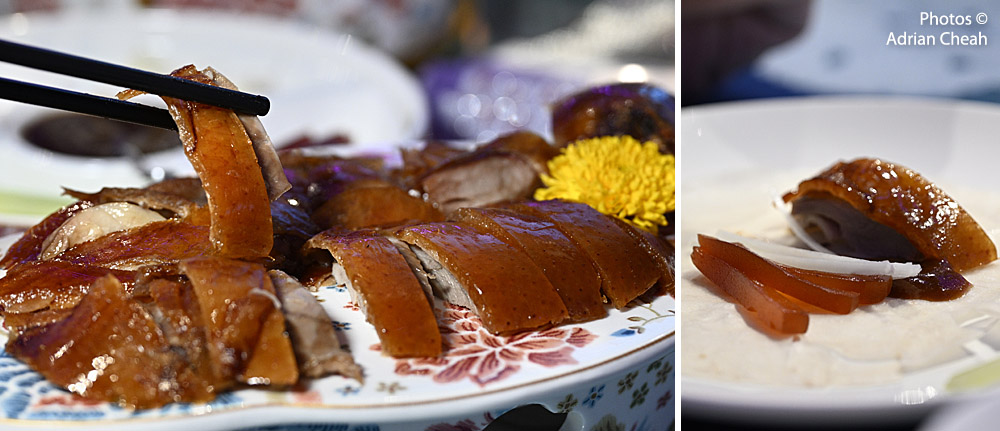
Beijing-style crispy roast duck (RM278.00++), better known as Peking duck, is one of China’s most celebrated dishes, originating from Beijing and dating back to imperial court cuisine. The hallmark of this dish lies in its paper-thin, glassy skin paired with tender, juicy meat. This rendition stood out as one of the best I have savoured in Penang, one I would happily include on my list of must-try dishes at Anovia.
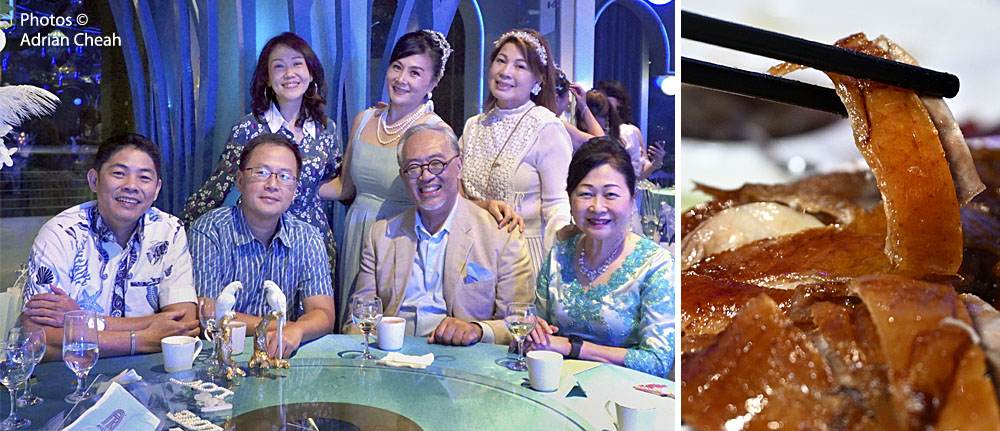
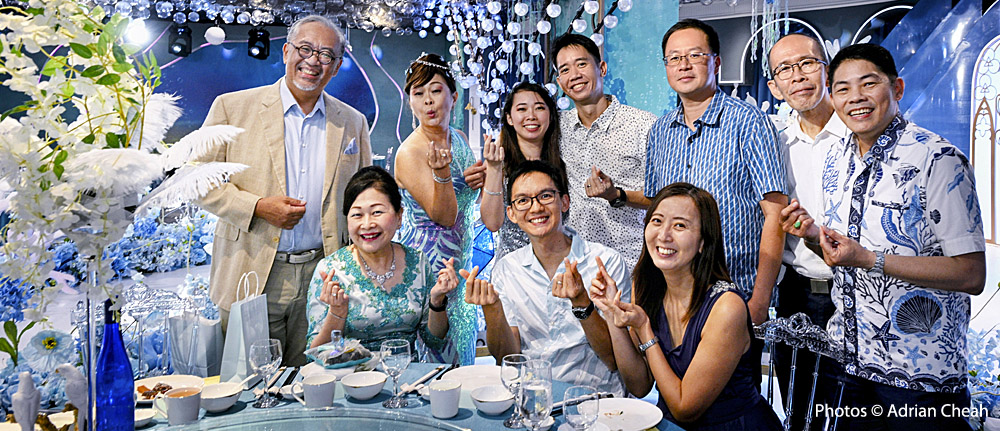
In the traditional presentation of Peking duck, white granulated sugar is often served alongside the dish. Some diners would dip the crispy skin into sugar before eating it on its own. The idea is to highlight the natural richness of the duck fat while contrasting it with a clean, sweet edge. It is meant to accentuate the umami and aroma of the skin. In more modern service, especially outside of Beijing, many restaurants place less emphasis on this and focus more on the pancakes, hoisin sauce, cucumber, and spring onions. However, the sugar remains a nod to traditional imperial-style dining. This anecdote was shared by writer and food connoisseur Peter Yeoh, who was at the table that evening, adding an extra layer of appreciation to the experience.
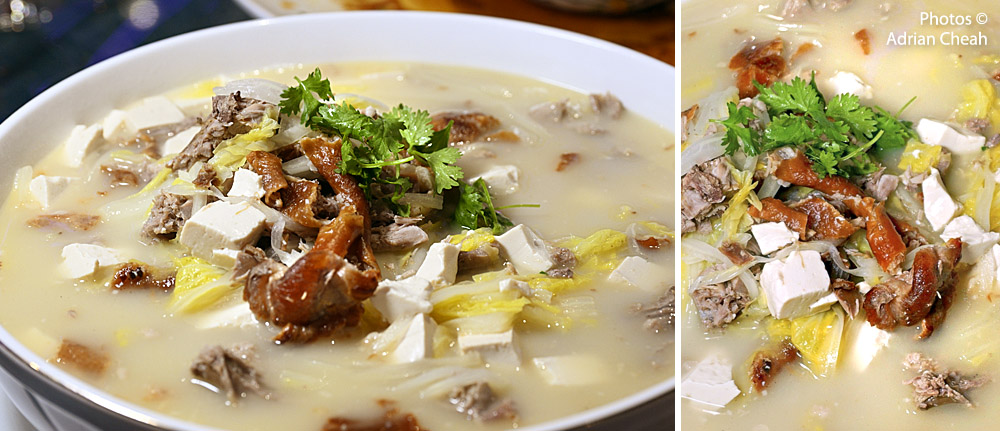
From the duck, we had two dishes—the classic roast duck course and a comforting soup made from the remaining frame with Chinese cabbage and tofu.
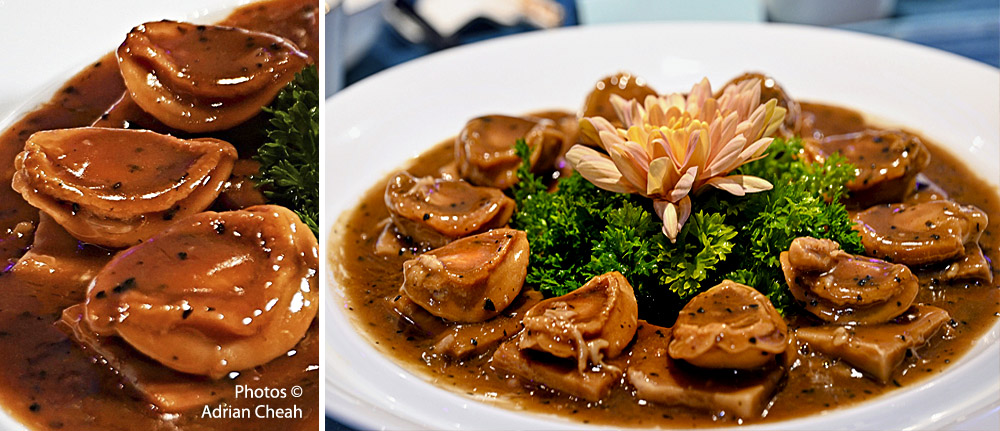
The next highlight was the braised abalone, each tender piece set atop a slice of taro and smothered in a black truffle sauce (RM122.50++). The creamy, soft taro complemented the abalone well. Abalone is considered a highly prized ingredient in Chinese cuisine, often served during celebratory meals for its association with prosperity and good fortune. A delectable dish as well, second only to the duck.
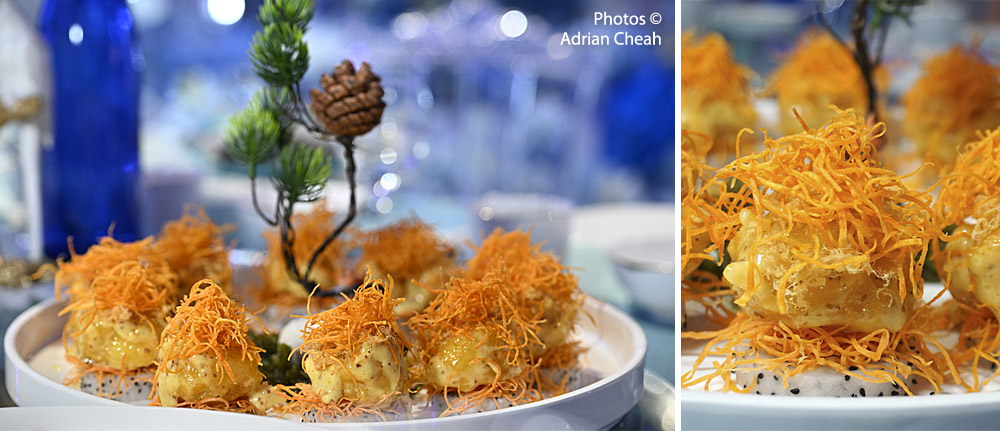
Next came the deshelled prawns coated in a honey mustard glaze, resting atop a circular slice of white dragon fruit (RM98.00++). Another fine offering, artfully presented.
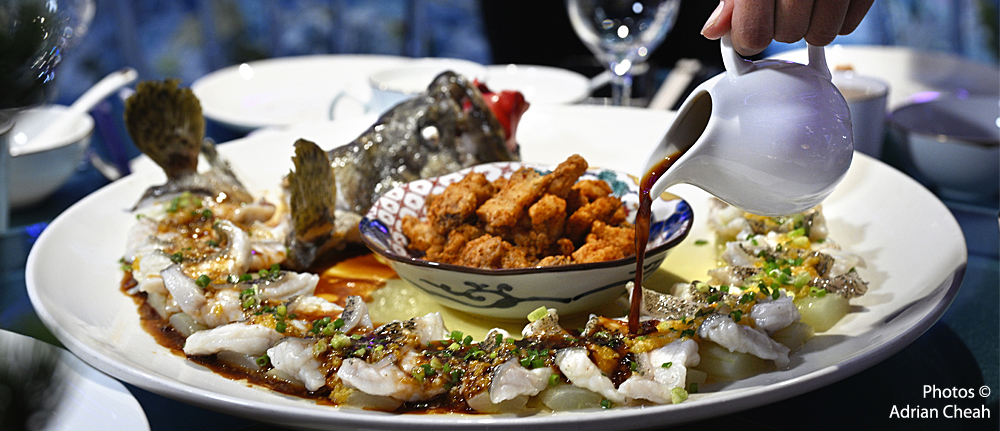
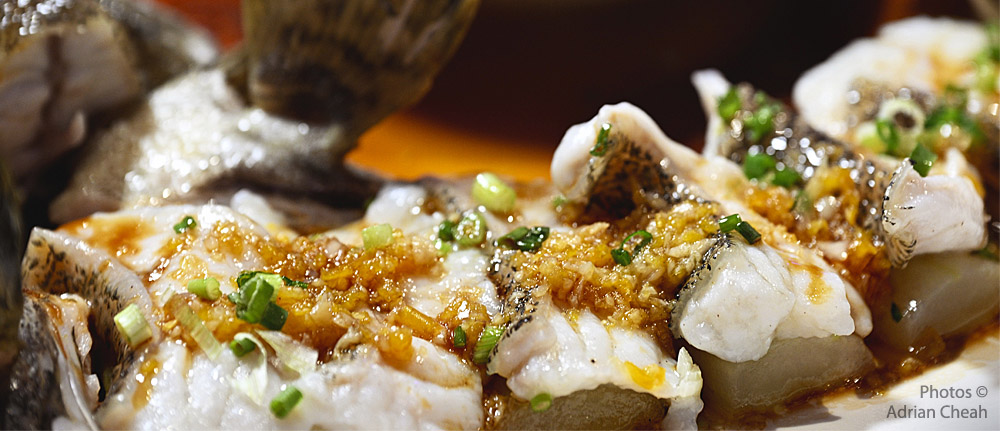
Also noteworthy that evening was the twin-style steamed pearl grouper (RM218.00++). The fish was steamed just right, moist and tender, and absolutely fantastic. It was presented with a dry ice effect that added a dramatic touch to the table.
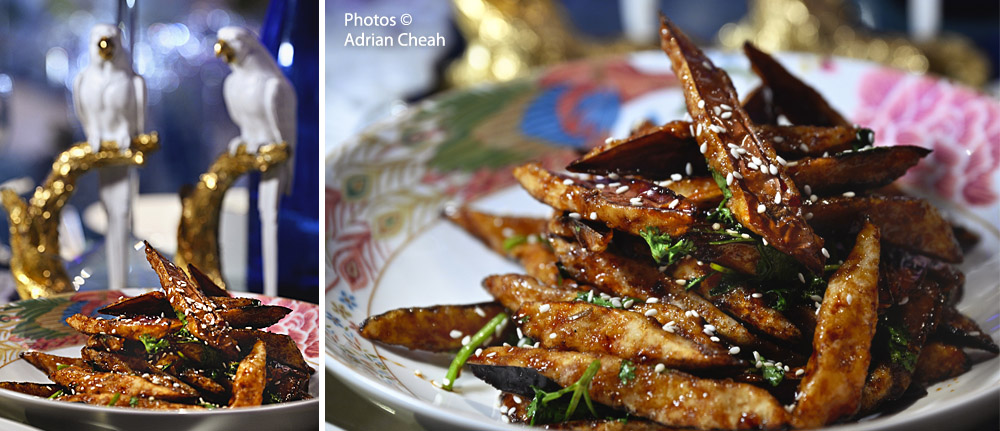
The final dish presented was the old Beijing-style stir-fried eggplant (RM32.00++). The eggplant was deep-fried, then coated in a soy glaze and sprinkled with toasted sesame seeds. Each piece was soft and almost creamy within, contrasted by a lightly crisp exterior, while the glaze was flavourful and well balanced. Indeed, a simple dish that was skilfully executed.
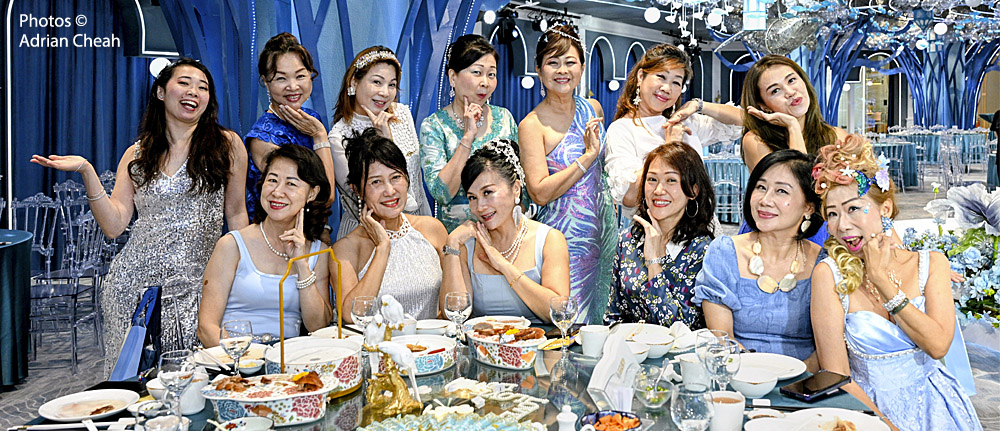
Some at the table, as is common, opted for steamed white rice alongside the dishes, almost as if it were second nature in a Chinese meal. The delicious menu set by Lillian for a table of ten came to RM946.05 inclusive of taxes. Given the quality and depth of flavours across the dinner, it was indeed a lavish spread that did not cost an arm and a leg.
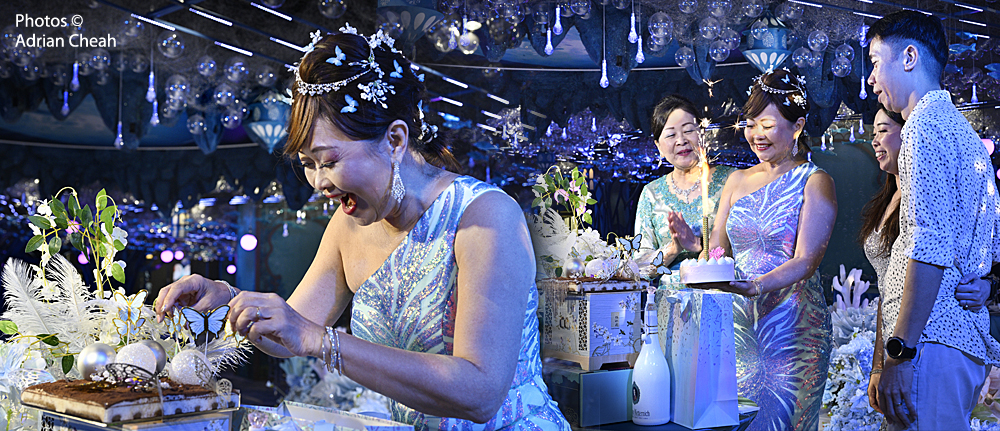
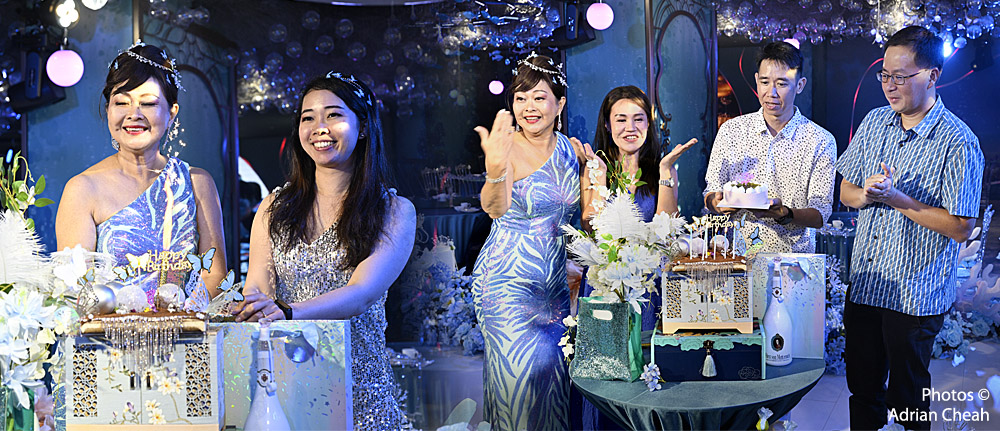
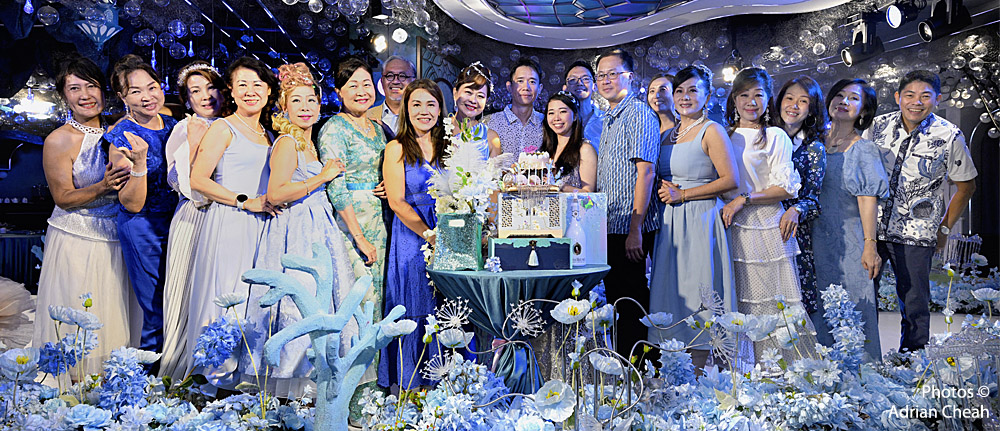
For dessert, we had not one but two birthday cakes in celebration of Lillian. As she closed her eyes to make her silent birthday wishes and gently fanned out the candles, there was a deep sense of warmth and affection around her. I could not help but hope that each of her wishes would come true. She is an extraordinary presence, someone who has devoted much of her life to safeguarding culture, community, and tradition. It felt meaningful to be part of a private moment in celebration of someone so deeply cherished and, in many ways, truly blessed.
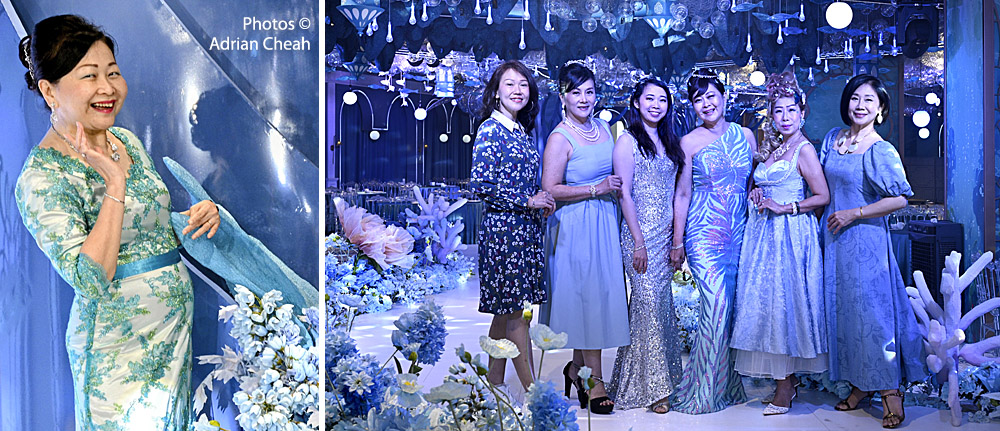
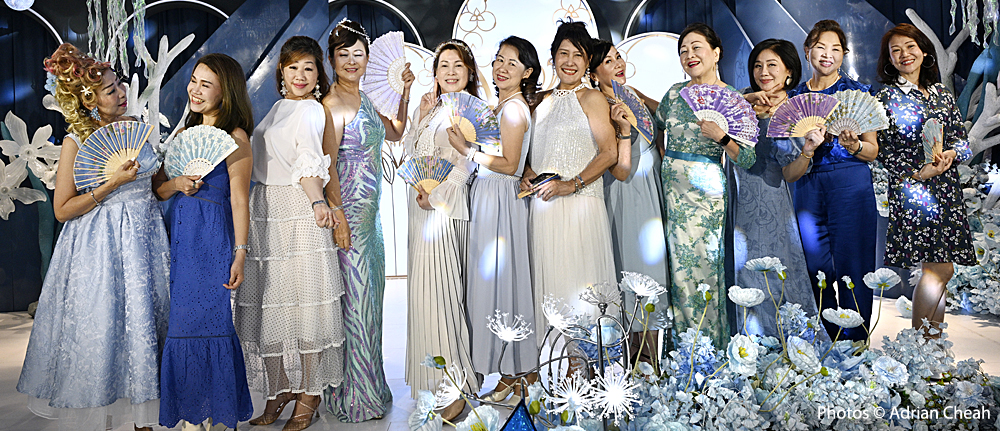
Service throughout that Friday evening was attentive and warm, and the overall dining affair left a lasting impression.
Later that evening, I spoke to Daniel Tu, Chief Operating Officer, who was charming and accommodating, so much so that I found myself making a reservation for lunch the following Monday. I was eager to return and explore more culinary wonders, as well as to celebrate the birthday of a good friend, Cindy Lee. While the à la carte menu did not include individual set options, Daniel was kind enough to make it possible. He proposed a six-course luncheon that promised new discoveries across the chef’s repertoire.
A Return to Anovia
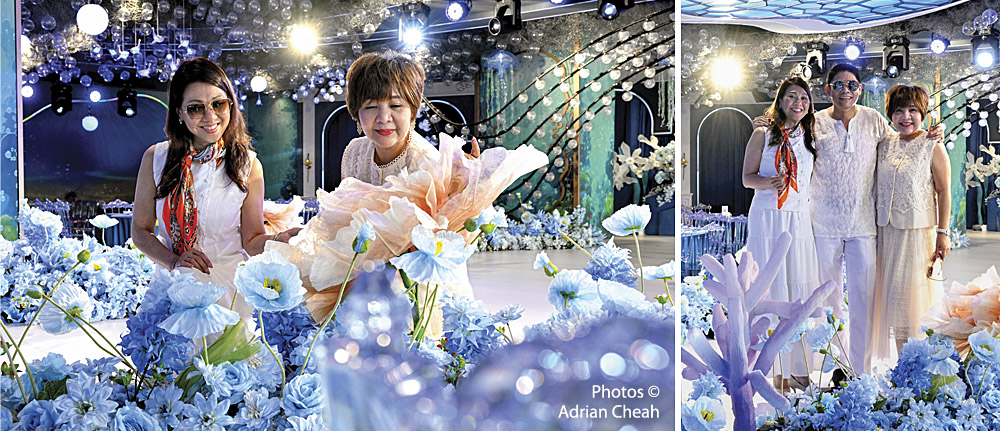
The Monday luncheon was joined by birthday girl Cindy, along with our fellow SXI classmate, Dorothy Wang.
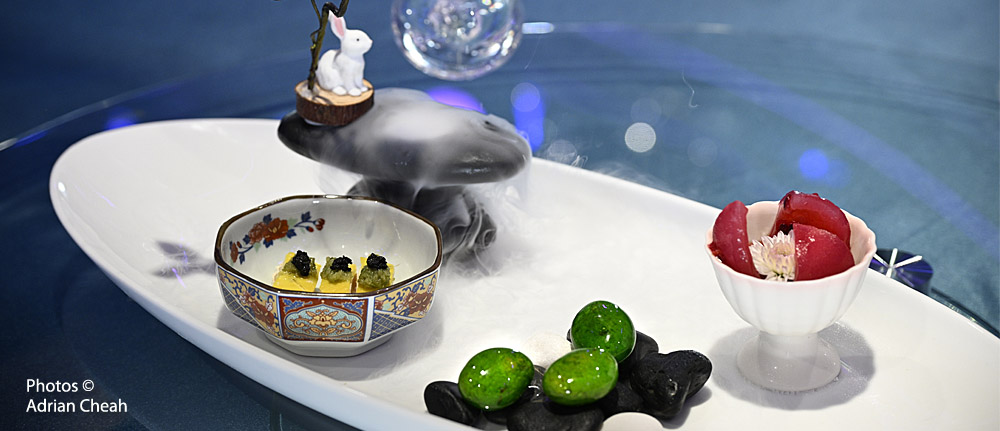
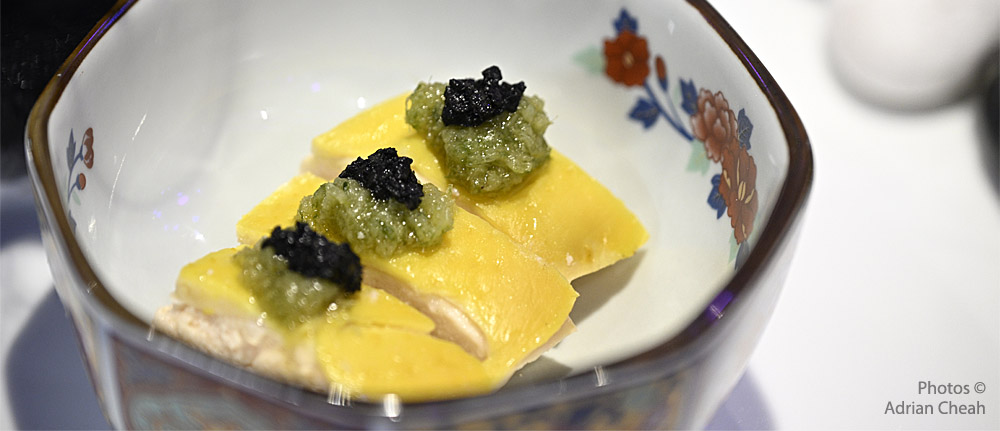
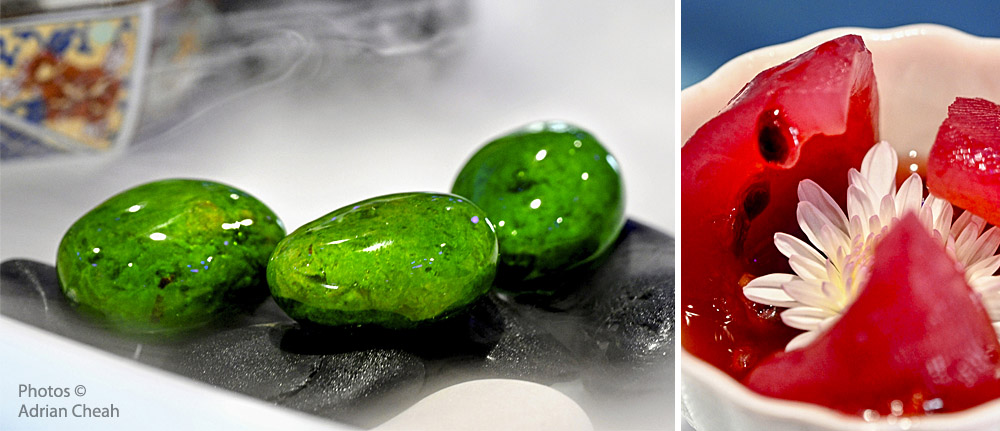
The meal began with the trio entrée platter (RM58.00++), featuring poached chicken topped with a ginger sauce, minced beef “pebbles", and preserved passion fruit rind. Among them, the standout for me was the crimson-red passion fruit rind (mesocarp). I had not known that the rind was edible, let alone transformed into something so appetising. The green-hued beef “pebbles” were eye-candy, though I had expected a more pronounced depth of flavour to match their presentation.
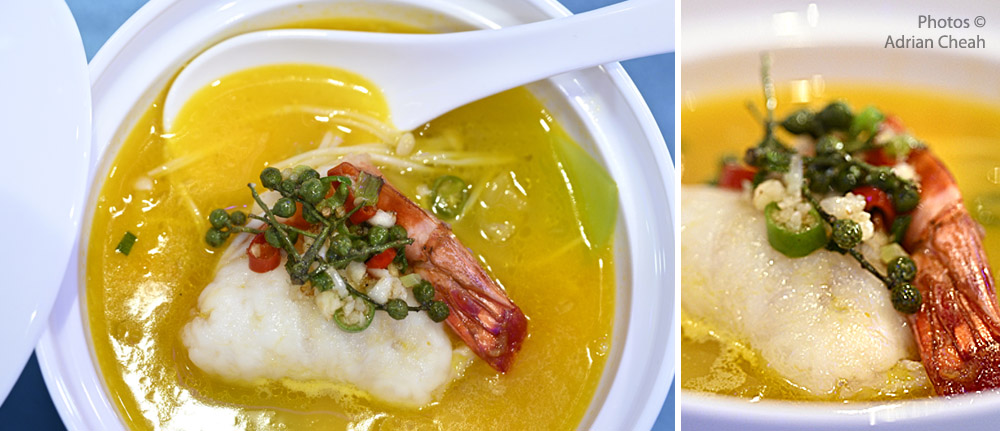
Next was the Yunnan tomato golden broth with freshly pounded shrimp (RM38.00++ per individual serving). This was a light-bodied soup, coloured by sun-gold pumpkin and vibrant tomato, carrying distinct sour and assertive spicy notes that lifted the natural sweetness of the prawn. It felt somewhat reminiscent of Thai tom yum, yet clearly different in its use of spices and aromatics. To keep the soup warm, a tea light was placed beneath the bowl, allowing us to enjoy it at a leisurely pace.
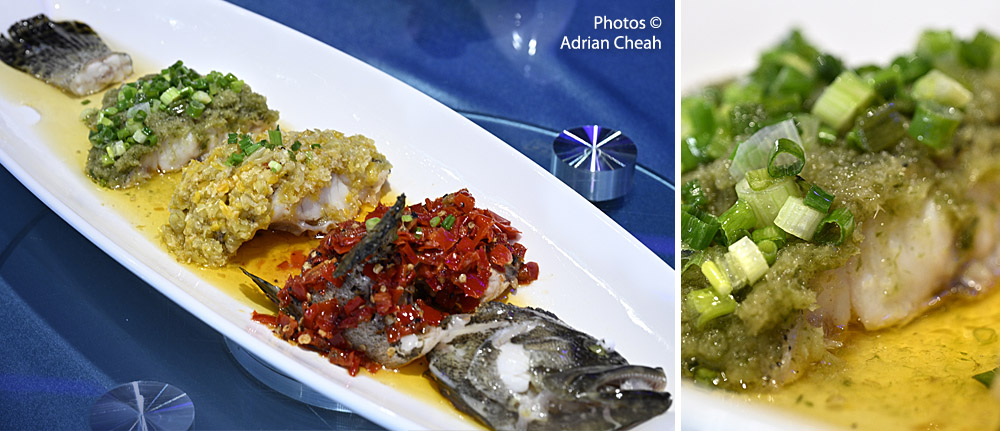
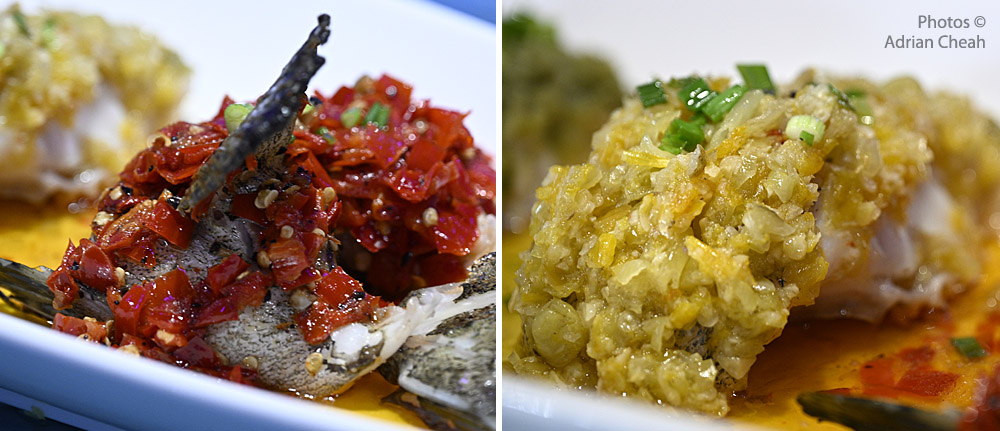
The soup was followed by a serving of steamed pearl grouper prepared three ways (RM158.00++). Beautiful, flavourful, and above all, a showcase of quality ingredients prepared with great skill. Pearl grouper is a premium hybrid, prized for its tender texture, mild sweetness, and consistent quality. The flesh was smooth and delicate, with a natural sweetness that shone through, and all three sauces were top notch, each a winner in its own right.
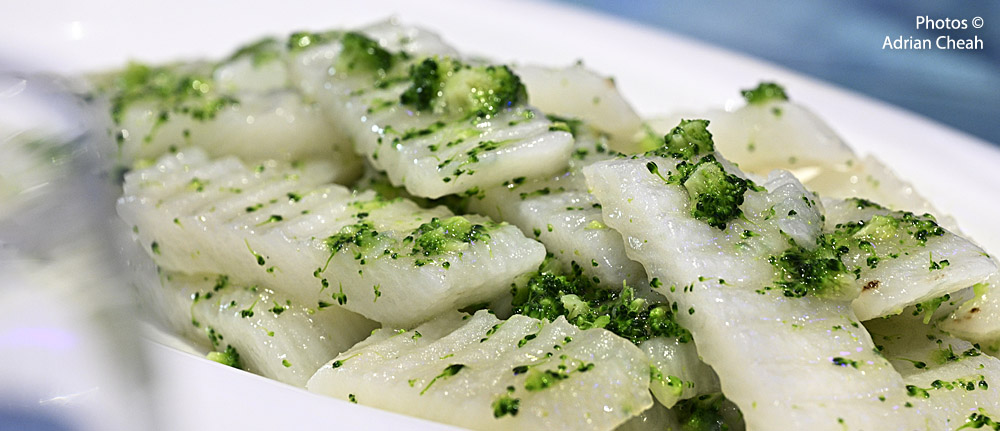
Together with the fish, an uncomplicated wok-tossed Chinese yam (RM48.00++) was served. Chinese yam, often known as shan yao, is a long, cylindrical tuber widely used in Chinese cuisine and traditional medicine. Its light crispness texture had a mild, slightly sweet flavour that was clean and understated. To add colour to the dish, fine broccoli shavings sprinkled deep green specks to the pristine white dish.
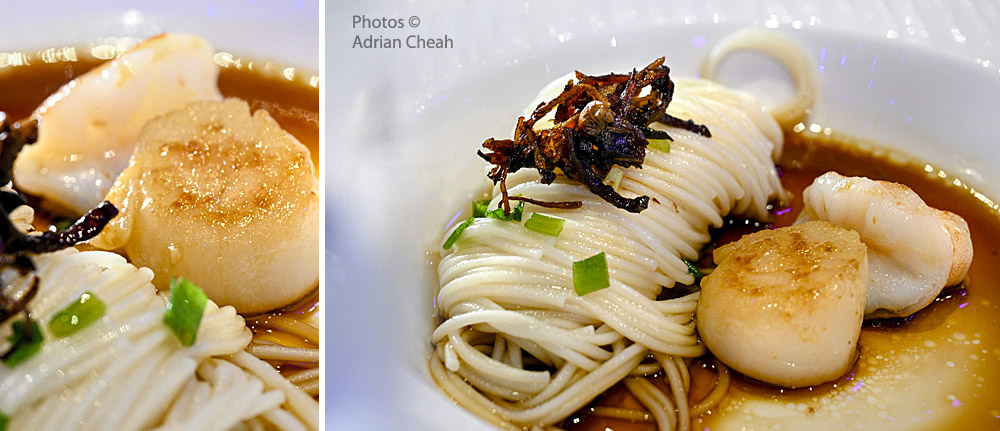
To introduce a more hearty course, we each had a plate of mushroom scallion oil noodles (RM18.00++ per individual serving), with the option of an additional Hokkaido scallop for RM20.00. The noodles were well-executed, carrying a rich umami depth from the mushrooms and scallion oil. I opted to add scallops, expecting them to lift the dish further, but they blended in rather subtly. In hindsight, the noodles were good on their own, sans the scallops.
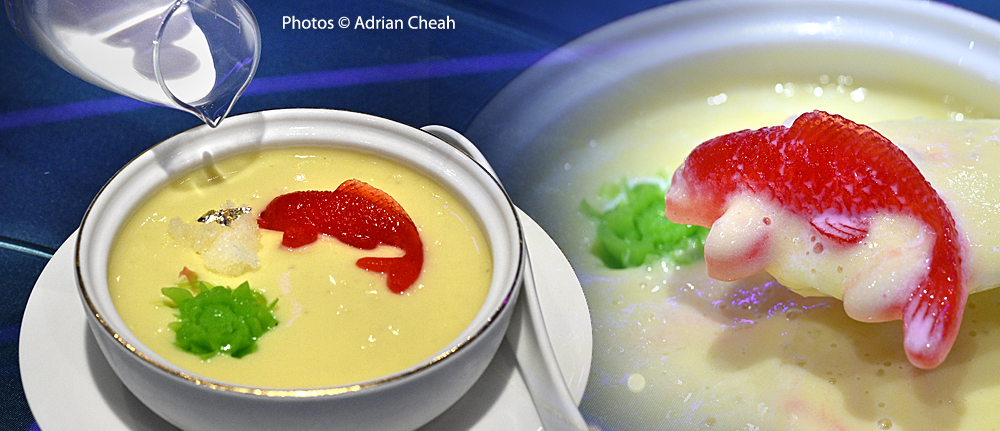
For dessert we opted for the chilled mango pudding with bird’s nest and koi fish jelly (RM38.00++ per individual serving), accompanied by milk on the side. While the inclusion of bird’s nest and a gold fleck added a sense of luxury to the dessert, their naturally neutral profiles did not contribute much in terms of flavour, making their presence more symbolic than impactful.
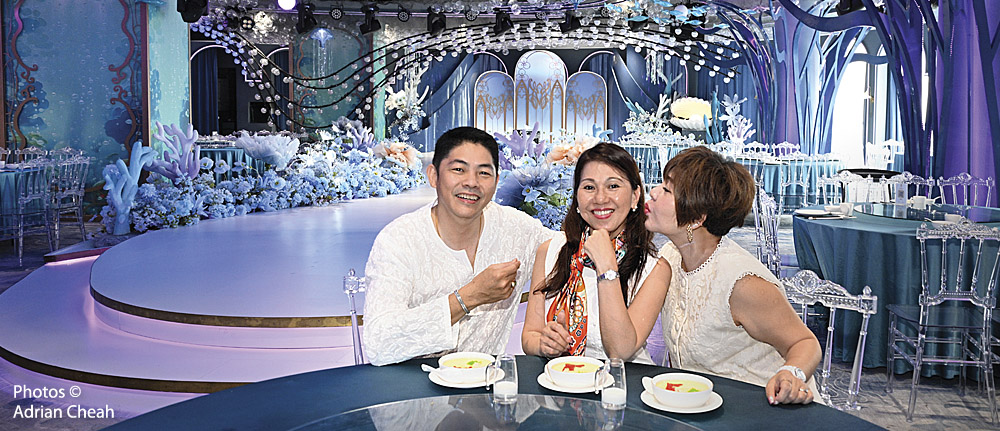
In terms of personal preference, I found the dessert to be rather light in flavour. The most enjoyable version I have had was served in a dessert bowl with an ice-blended mango base topped with fresh mango cubes, pomelo pulp, sago pearls, and crystal boba pearls, which added both texture and liveliness.
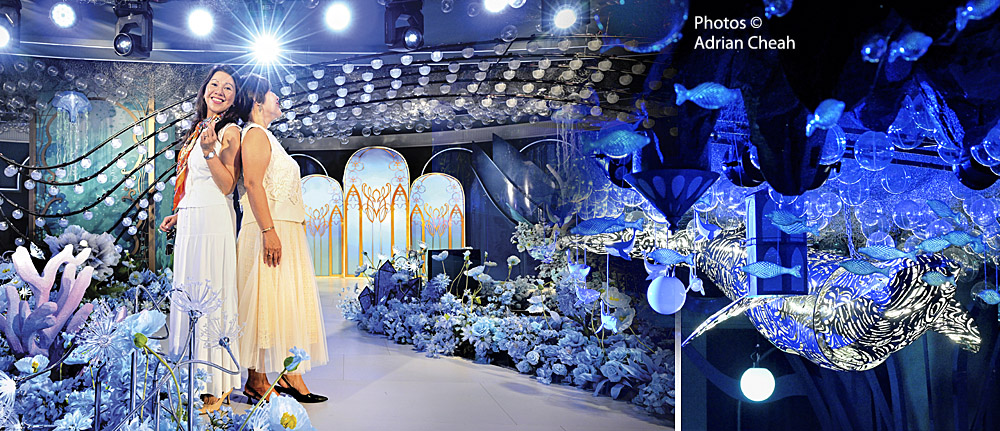
Service, of course, was excellent, and Daniel was on hand to introduce each dish. The total bill for the luncheon for three, including tea and taxes, came to RM723.80. When compared to Lillian’s birthday dinner for ten at RM946.05, the latter offered greater variety and volume, with a more memorable progression of courses. This clearly highlights the importance of thoughtful menu selection. A well-assembled spread need not be an expensive affair, although it can be. For me, what matters most is the overall dining experience shaped by good food and great company.
-------------------------------------
Written and photographed by Adrian Cheah
© All rights reserved
6 April 2026
If you enjoyed this story, you may like to bookmark this site or return for future essays.
Anovia Banquet Art Centre
163D-L4.12 & 12A Gurney Paragon Mall, Persiaran Gurney, 10250 Penang
T: +6010–797 9111
Open daily: 11 am – 2.30pm; 5 pm – 10 pm
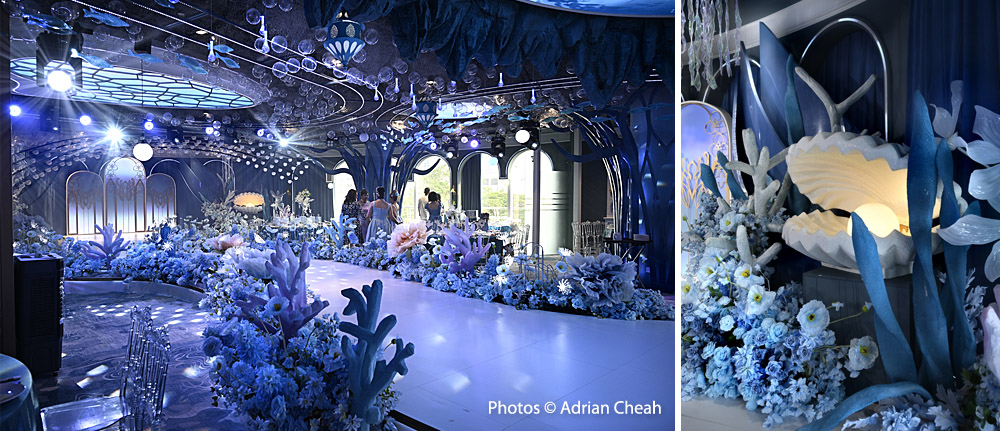
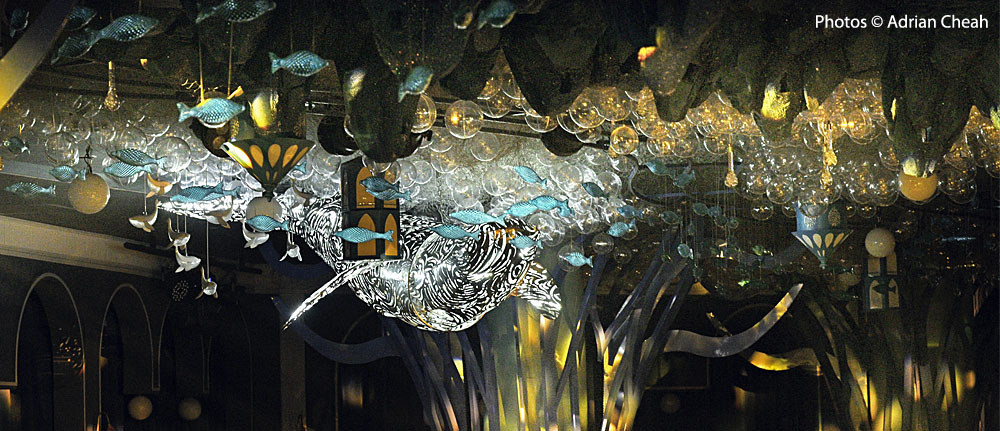
PS: Anovia’s oceanic-themed dining hall is notably elaborate and immersive, offering a strong visual identity. It is easy to imagine it being particularly fitting for large celebrations, with capacity for up to around 36 tables, where décor and atmosphere play a central role.