Ti Kuih to sweeten the words of the Gods
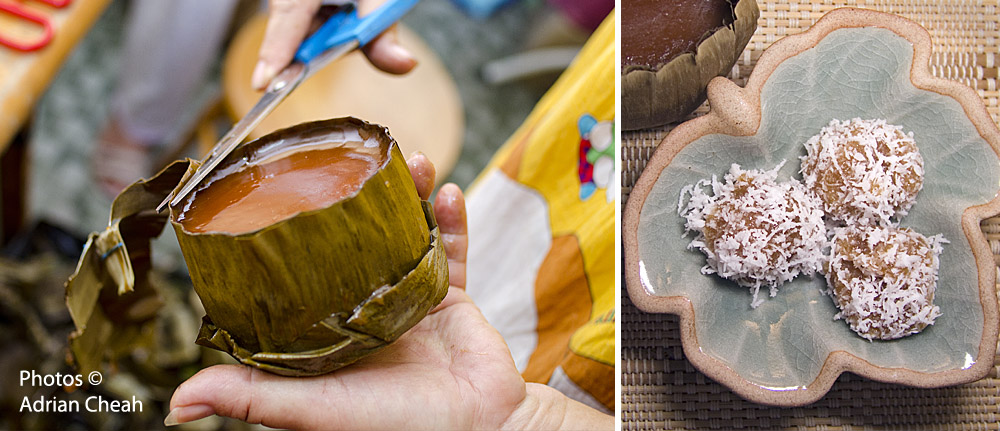
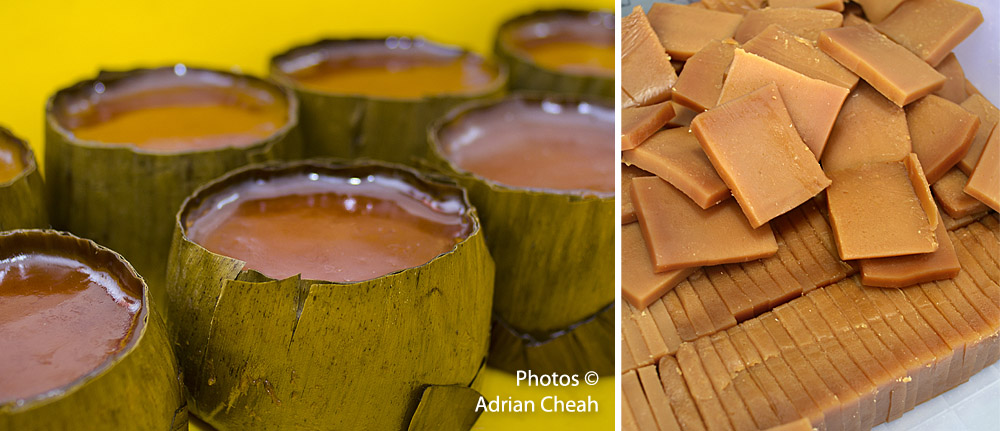
Ti kuih (or tnee kuih), the sweet, sticky rice cake prepared for the Lunar New Year, is known in Mandarin as "nian gao", literally meaning “year cake”. The name carries an auspicious homophone, symbolising "rising abundance" or "prosperity for the coming year".
The Kitchen God and the Sweet Send-Off
The Kitchen God, traditionally regarded as the guardian of the "chau" (the Hokkien term for the "hearth") and the household, occupies a central place in many Chinese homes. On the 24th day of the 12th lunar month, he is said to ascend to heaven to present his annual report on the family’s conduct to the Jade Emperor. This account is believed to shape the household’s fortunes in the year ahead, so winning his goodwill matters. However conscientious a family may be, no chances are taken. Before the Kitchen God begins his journey, his mouth is sweetened, or in popular telling, gently “sealed”, with ti kuih. The cake’s sticky sweetness is meant to sugar-coat his words, encouraging him to speak kindly of the household. After this send-off, the Kitchen God is welcomed back on the fourth day of the Lunar New Year.
Of Ti Kuih and Pai Tee Kong
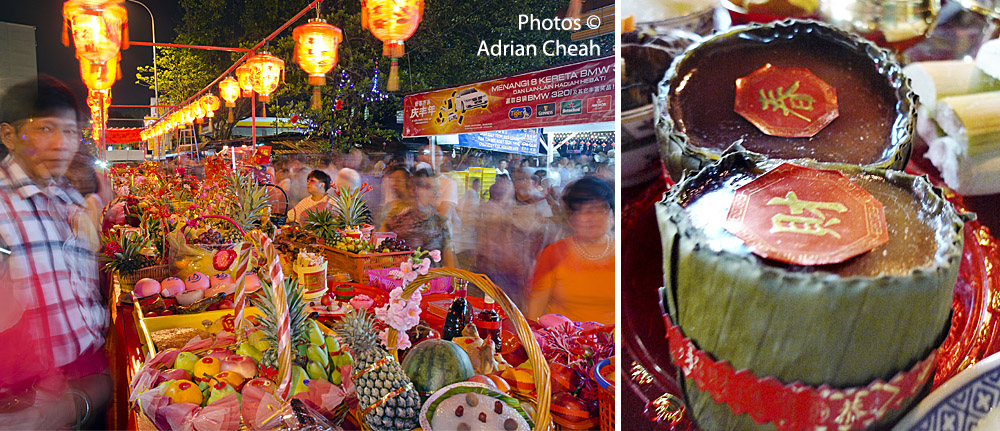
Ti kuih also plays an important role on the eighth night of the Lunar New Year during the Hokkien celebration of Pai Tee Kong, the homage to the Jade Emperor, also known as the God of Heaven. For the Hokkien community, the ninth day carries particular significance, for some even eclipsing the New Year itself. According to oral tradition, the Hokkiens were once saved from a massacre on this day, a deliverance attributed to their prayers to the Jade Emperor while they hid among sugar cane fields.
Preparations for this observance begin early on the eighth day. Families throng busy markets to purchase essential offerings: sugar cane stalks, recalling the refuge that protected their ancestors, along with roasted pigs, cooked meats, fruits and, of course, ti kuih. As night falls, households set out an offering table laden with cakes, meats and fruit, often flanked by tall sugar cane stalks placed upright as an expression of gratitude and remembrance.
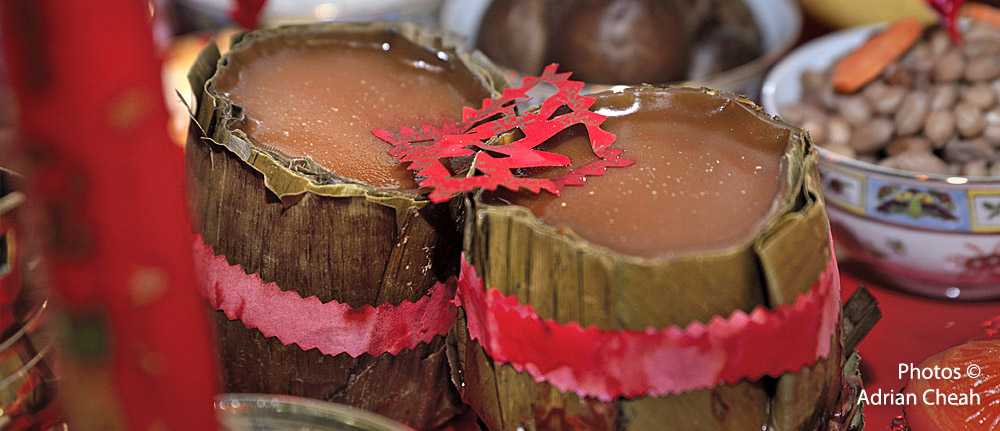
The rituals traditionally begin around 11:00 pm, which, in Chinese timekeeping, marks the start of a new day. At this hour, families offer prayers to the Jade Emperor, some continuing past midnight. The celebrations are particularly striking at Penang’s clan jetties, where local communities gather in large numbers, drawing both residents and tourists. Firecrackers thunder through the evening as the night sky is set ablaze with fireworks, creating a lively and colourful scene. The display illuminates the heavens, reflecting reverence and a heartfelt celebration of survival and prosperity.
Making Ti Kuih: A Labour of Love
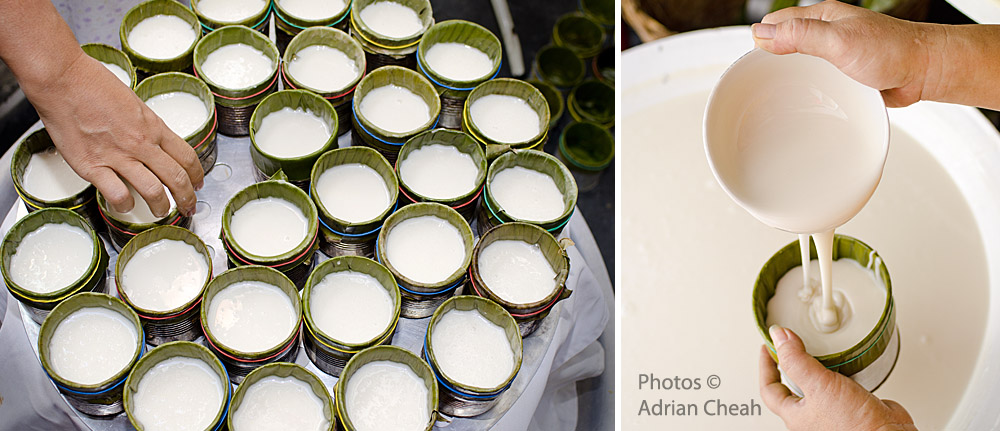
Though the recipe calls for only three simple ingredients—glutinous rice flour, sugar and water—it requires patience, as the steaming process can take half a day or more. Modern variations may use brown sugar or caramelised sugar to reduce cooking time, but traditionalists such as Ms Tan Swee Gaik insist that the long hours are essential to achieve the characteristic caramelised flavour and subtle smoky aroma.
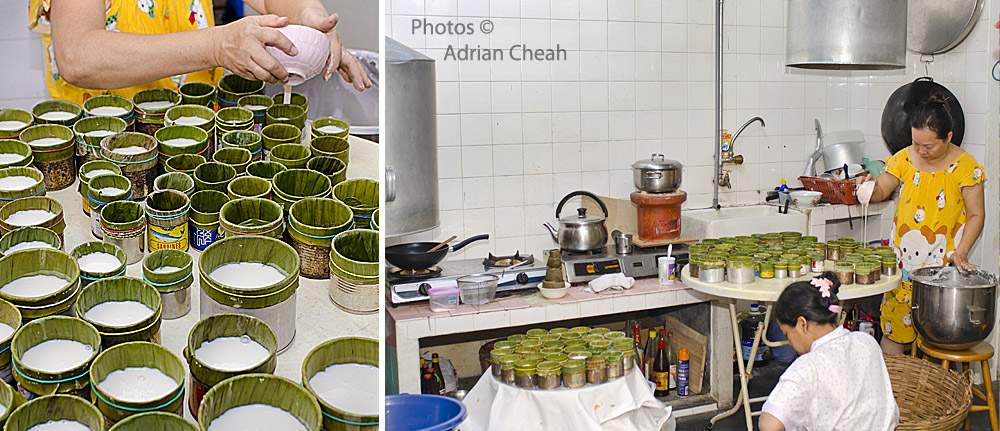
Ms Tan has been making ti kuih for many years, selling her creations at the Jelutong wet market. Her regular customers often book in advance, confident that the quality of her ti kuih is consistent. She follows a family recipe refined over generations, with even the kuih tins handcrafted by her father.
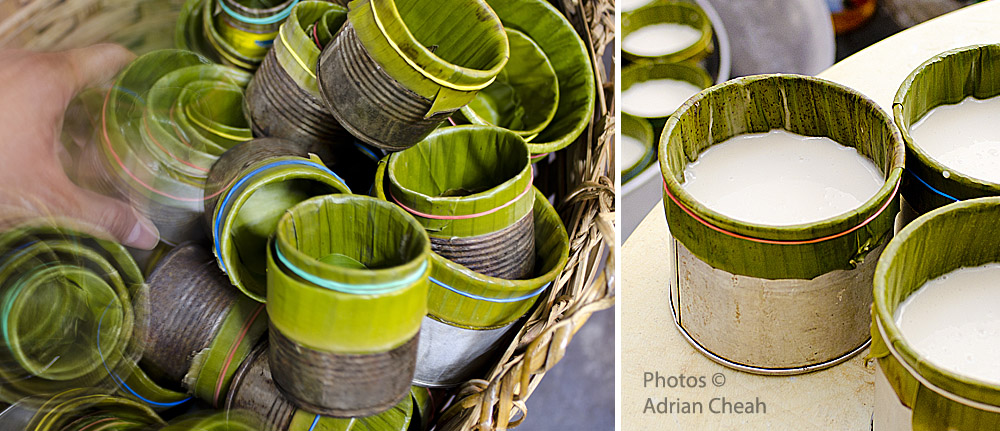
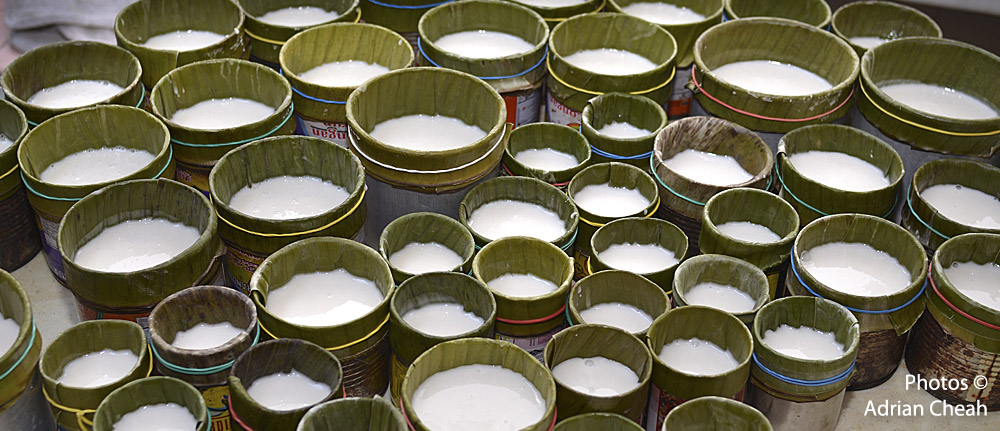
“Everything about making ti kuih is time-consuming,” Ms Tan explains. “From lining the tins with banana leaves to tending the steamer for more than 12 hours, it requires patience. The batter slowly changes from pure white to light brown, then golden, and finally to a rich chestnut-toffee hue as the sugar caramelises.”
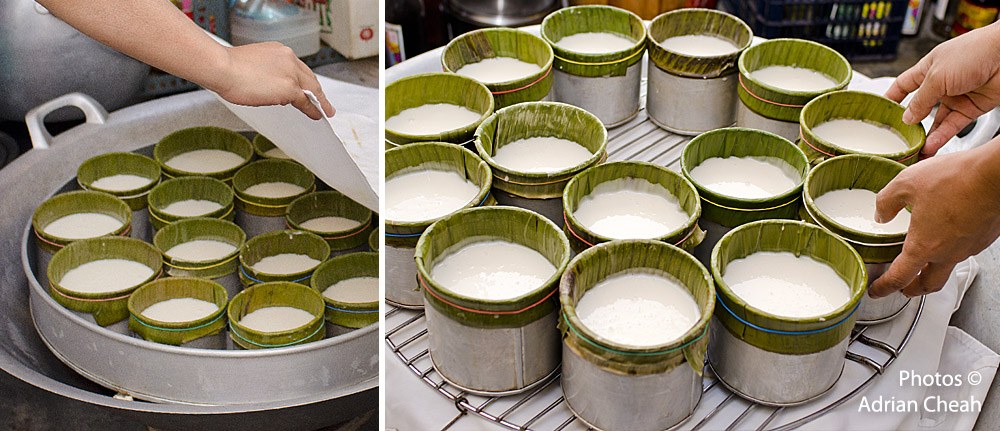
After hours of steaming, Ms Tan has developed a clever way to know when the water in the steamer needs topping up. She drops a few coins into the large kuali used for steaming. As the water level falls, the coins jingle, signalling her to add more water, all without lifting the lid.
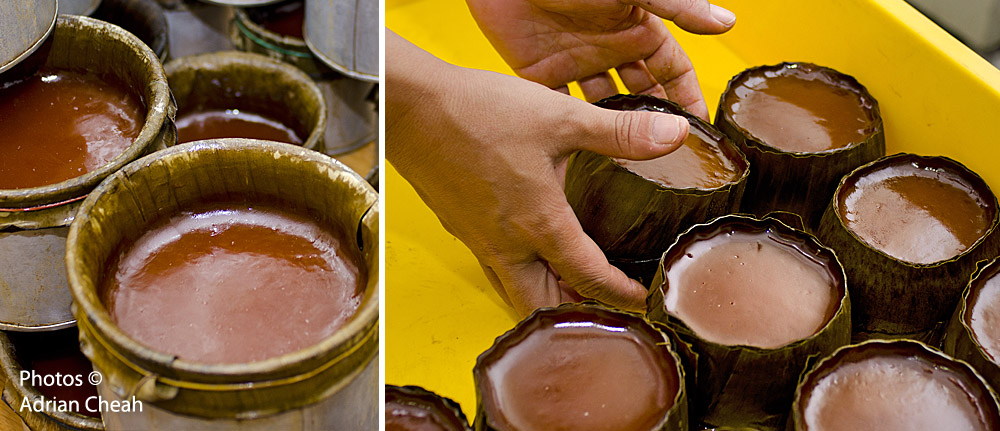
Once steamed, ti kuih must be left to set overnight to achieve the desired firmness before being carefully removed from the tins and trimmed for a neat finish. For the best results when slicing, it should be allowed to firm for at least a week; otherwise, it will remain too soft and sticky to cut cleanly.
The Nyonya Rituals and Taboos in Its Making
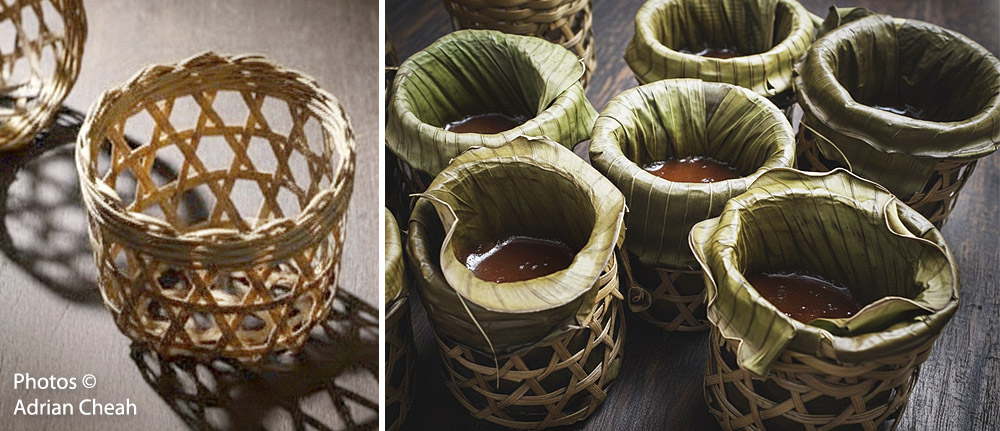
Among the Chinese Peranakan community, similar rice cakes are known as kuih bakul (“basket cake” in Malay), traditionally steamed in woven bamboo baskets in the days before tin cans became common. Auntie Pat (Lim Chooi Ewe) recalled that sprigs of pomegranate leaves would be hung at the handles of the kuali to ward off “unclean matter.” The pomegranate, with its many seeds and association with fertility, abundance, and good fortune, was considered a protective plant, and even its leaves were thought to bring auspicious energy to the cakes. Because steaming took so long and was laborious, the Nyonyas observed strict taboos to ensure the cakes turned out perfectly. Women on their menstrual cycle, people wearing black, and anyone entering the kitchen in anger or carrying negative thoughts were kept away, while loud conversation and distractions were avoided to maintain focus and reverence. Even pets were kept out, and care was taken to prevent spills or accidents. To the Nyonyas, failing to observe the taboos could cause the cakes to develop unsightly splotches instead of a smooth, shining surface. Every step was undertaken with attention and ritual care, ensuring these heavenly cakes were fit for the Gods.
Ti kuih baskets
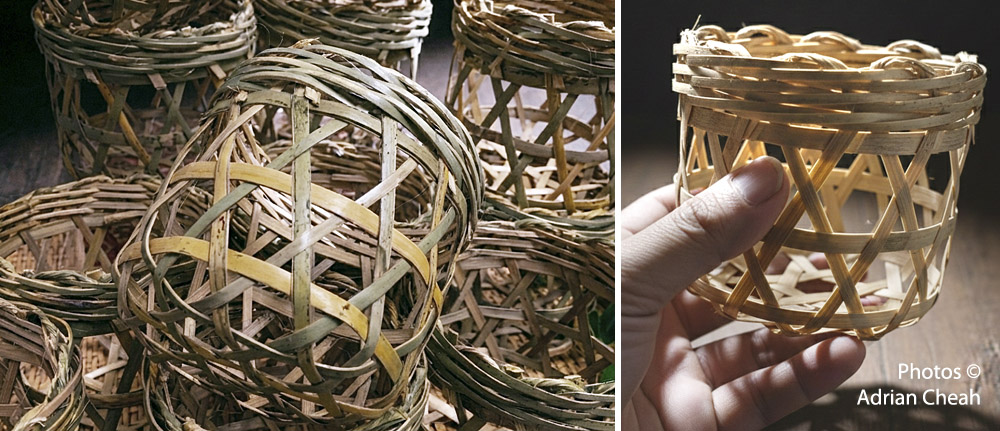
The bamboo basket, or "ti kuih na" in Hokkien, was once the quintessential vessel for steaming ti kuih, embodying the wisdom of generations. Crafted from thinly shaved bamboo skin, it was hard, flexible, sugar-free, and naturally resistant to insects. Unlike the sweet bamboo core, which could attract pests if used. Its breathable design allowed steam and moisture to escape, ensuring the cakes cooked evenly and thoroughly, producing a smooth, shining surface. Yet, despite its virtues, bamboo baskets gradually fell out of fashion. Being a natural material, they required meticulous care: air-drying after use, avoiding direct sunlight, and soaking before each use to prevent breakage. As tin cans and aluminium moulds became widespread, the traditional bamboo baskets became rare and slowly slipping into history. However, that said, these traditional baskets are still available online for those wishing to try their hand at the old fashioned method.
Delicious Ways to Enjoy Ti Kuih
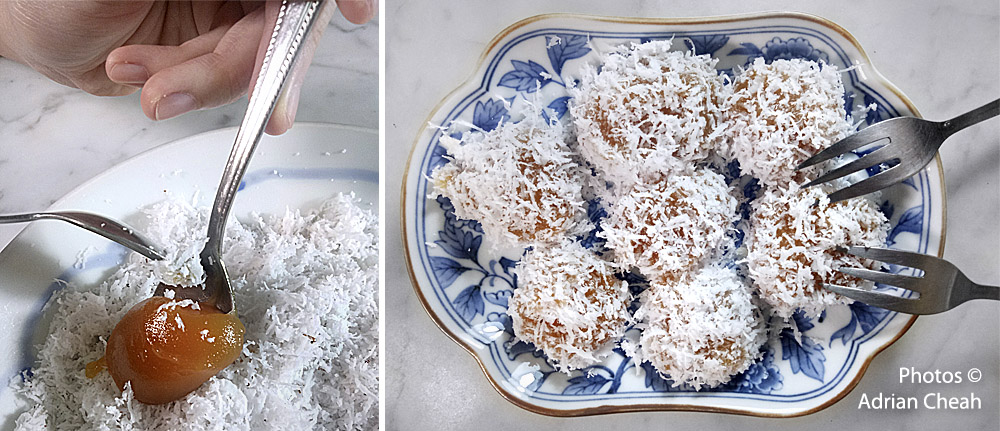
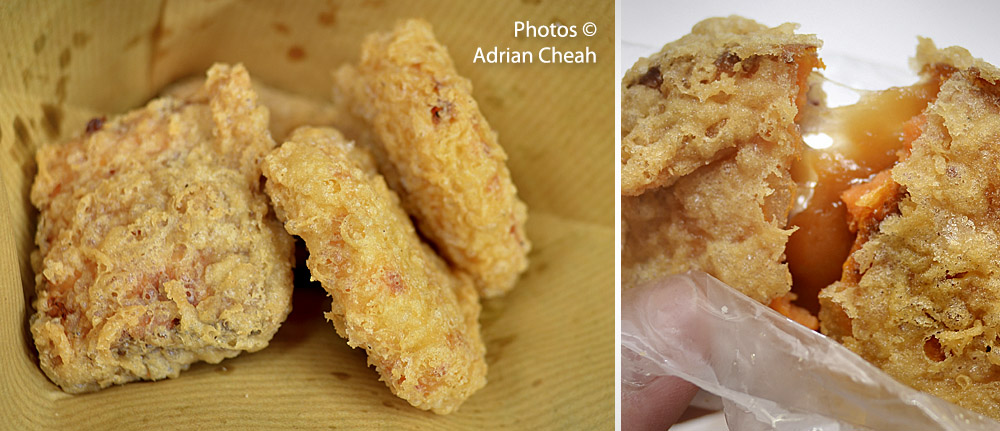
Fresh ti kuih is particularly enjoyable when served with grated coconut, while hardened cakes can be lightly steamed to restore their soft, sticky texture. Another popular preparation involves slicing the ti kuih, sandwiching it between slices of yam and sweet potato, coating it in batter, and deep-frying until golden.
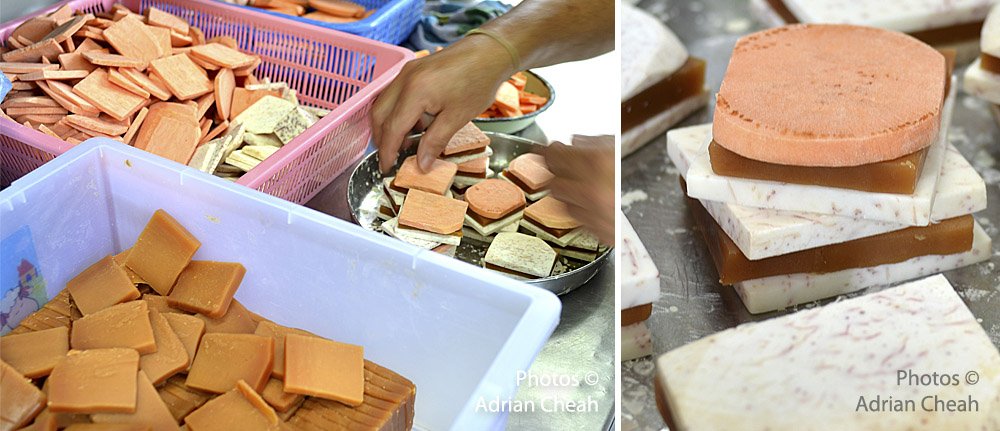
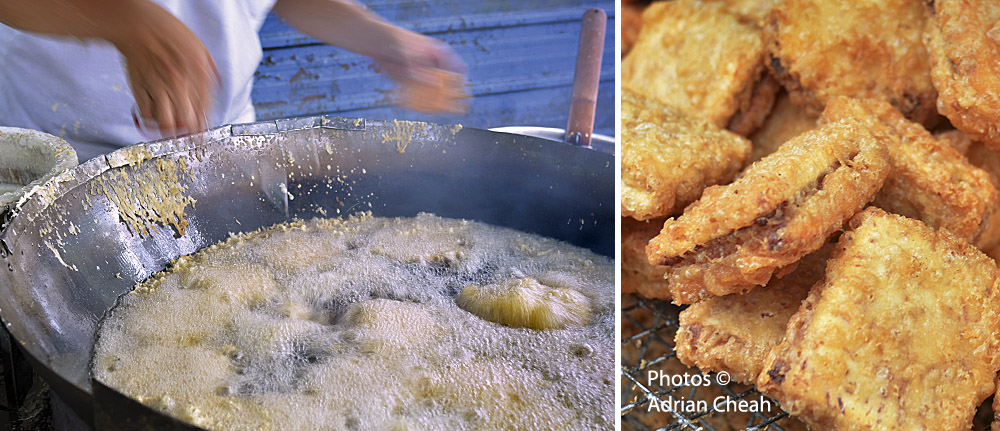
In Penang, goreng pisang vendors along Free School Road, Tan Jetty, or Hin Pin in Tanjung Bungah serve this beloved snack. Encased in a crisp batter, the creamy yam and sweet potato complement the soft ti kuih core, creating a delightful medley of textures and flavours.
It is little wonder that ti kuih is offered to the Kitchen God as one bite makes its irresistible appeal immediately evident.
--------------------------------
Written and photographed by Adrian Cheah © All rights reserved
Originally published 30 March 2017; updated 10 February 2026