A pre-birthday luncheon at Auntie Gaik Lean Old School Eatery
“The only reward of virtue is virtue; the only way to have a friend is to be one.” —Ralph Waldo Emerson, Friendship, Essays: First Series (1841)
So often, people say they want good friends, yet forget the underlying truth that friendship begins inwardly. It requires generosity of spirit, self-awareness, and the ability to show up without expectation. When insecurity, entitlement, or self-interest takes centre stage, genuine friendships struggle to take root. Emerson’s words remind us that friendship is not something to be acquired, but something to be practised.
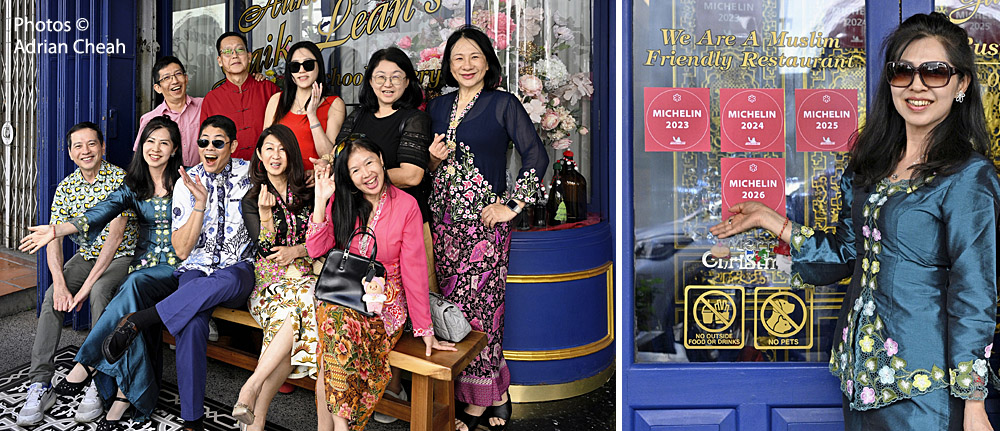
On 21 December 2025, ten of my fellow classmates from Han Chiang High School and I gathered around the table for my 58th pre-birthday celebration. With a group this size, we were able to order a wide spread of dishes and enjoy a good Nyonya fare. More importantly, it reflected the kind of friendships I am deeply grateful for. This is a group of "lau peng iu" who do far more than "makan" and chat. Some of us make time to embark on escapades to quench our wanderlust, celebrate milestones, and continue to choose one another, year after year.
The ladies arrived radiant in colourful kebayas. Laughter flowing as freely as memories. Their presence reminded me how extraordinarily fortunate I am to be surrounded by friendships that have flourished over nearly four decades.
A Table Set with Gratitude and Delectable Offerings
It was in this spirit of constancy that this special luncheon was marked. Not with fanfare or spectacle, but with deep contentment. There are birthdays defined by candles and cake. There are birthdays defined by pomp and circumstance. And then there are birthdays shaped by something far rarer: the comforting certainty of friends who truly known you. That afternoon, I felt, quite simply, blessed.
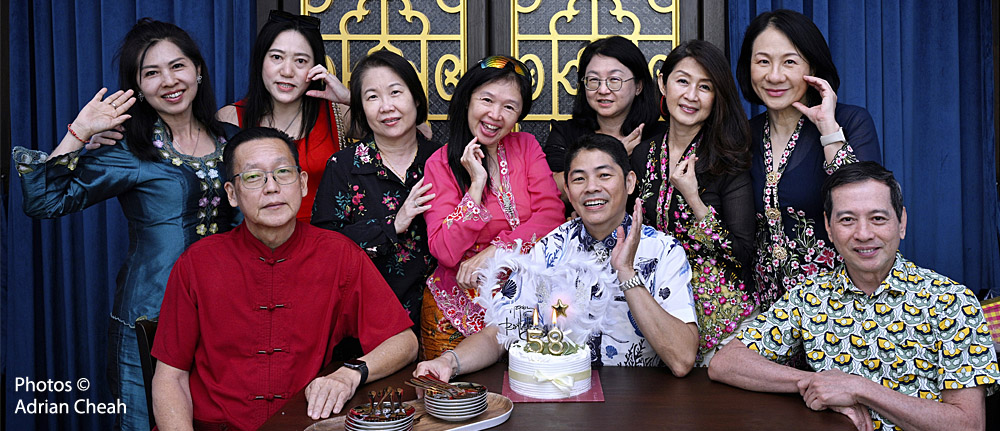
The setting for this gathering could not have been more fitting: Auntie Gaik Lean Old School Eatery, Penang’s beloved one-Michelin-star Nyonya restaurant. For many at the table, it was their first visit. For me, it felt like welcoming friends into the home of someone I deeply admire and respect.
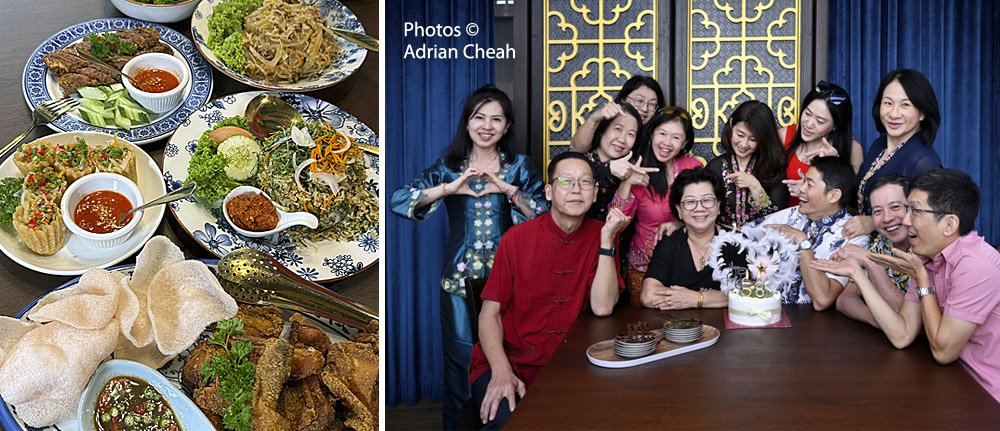
We were ushered into a private dining room, set apart from the bustle of the main dining hall, where we could linger, talk, eat, and be entirely ourselves. The space was tastefully decorated, including a screen prop from the popular film "Crazy Rich Asians". Once we were comfortably seated, the dishes began to arrive, each carefully curated to showcase vibrant Nyonya delights.
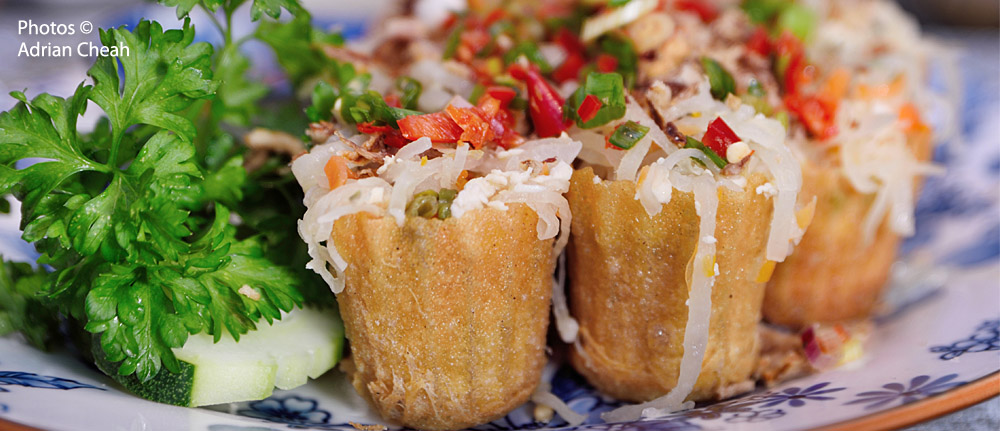
The appetisers set the tone. First to arrive was the dainty Pie Tee—crisp pastry shells filled with an assortment of julienned vegetables, served with a side of chilli sauce. This beloved delicacy likely takes its name from the English word “patty", reflecting a fusion of Western pastry techniques with local sensibilities, and has long been part of the Nyonya repertoire in Penang, Melaka, and Singapore.
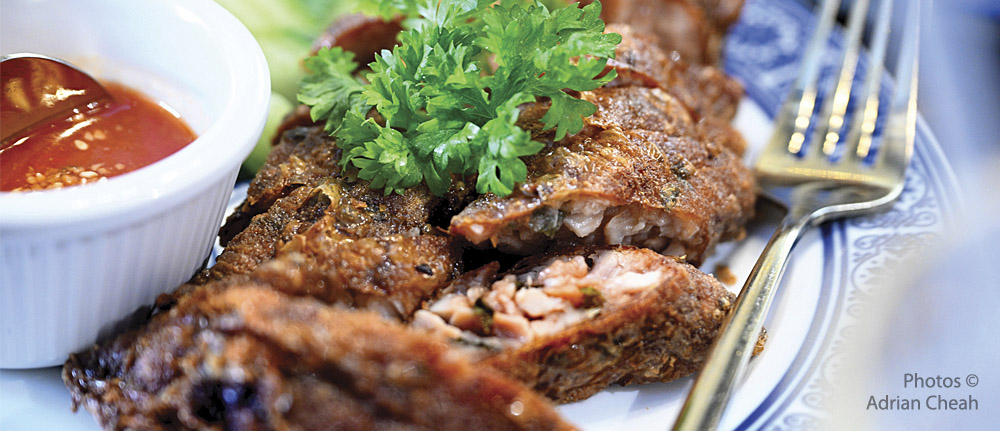
Aromatic Lor Bak, crisp on the outside, arrived alongside cool cucumber slices and a punchy chilli dip. Encased in beancurd skin and marinated with ngoh hiang hoon (five-spice powder), the tender chicken filling arrived piping hot. Best enjoyed immediately while the texture remains crisp and tender.
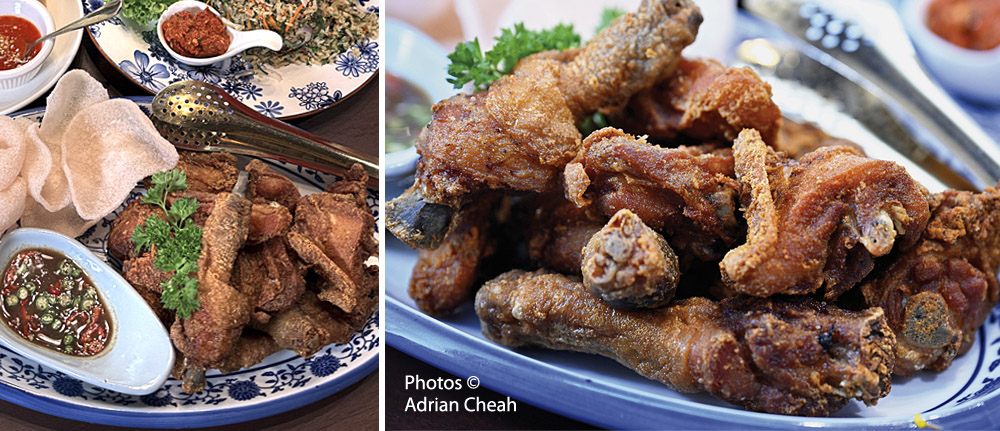
The same goes to for the Inche Kabin, best savoured while hot. Golden and crisp on the outside, these bite-sized pieces were tender within, served with prawn crackers and the must-have Worcestershire-and-chilli dip.
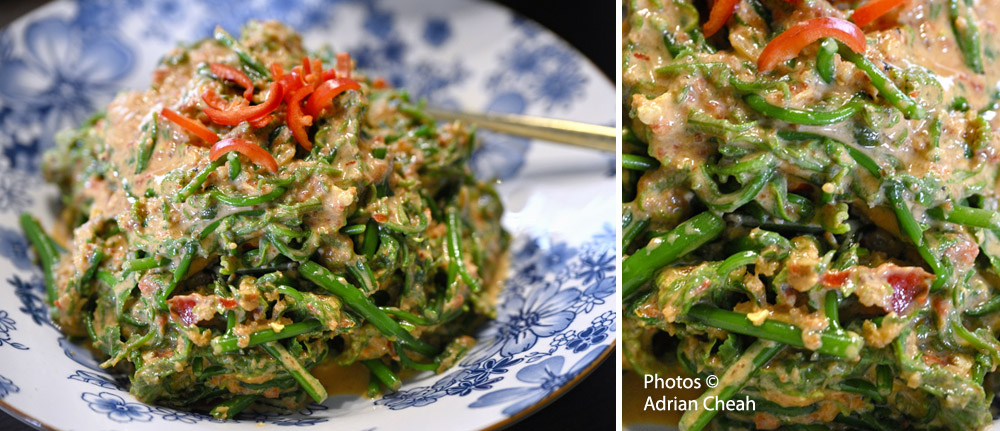
For vegetables, I chose a trio that highlighted varied textures and contrasting notes. The Kerabu Pucuk Paku (fiddlehead fern) was lemak and invigorating, lifted by a fresh squeeze of calamansi lime. The Nyonyas have long mastered the art of balancing sour, spicy, salty, and sweet, and this dish was a fine expression of that subtle artistry. I love it!
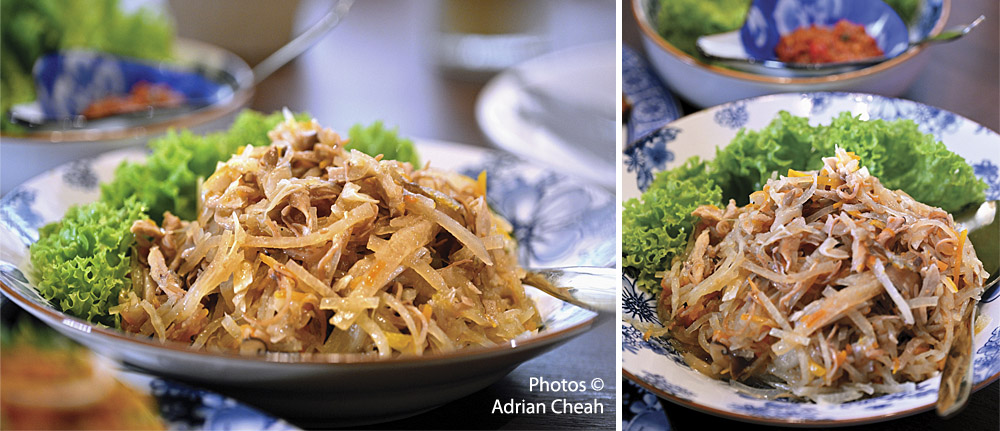
Next came Ji Hu Char, a popular dish comprising a medley of julienned bangkwang, carrots, cabbage, and onions, cooked with mushrooms and dried cuttlefish. Umami rich, it revealed its full potential when paired with fiery sambal belacan and wrapped in crisp lettuce leaves.
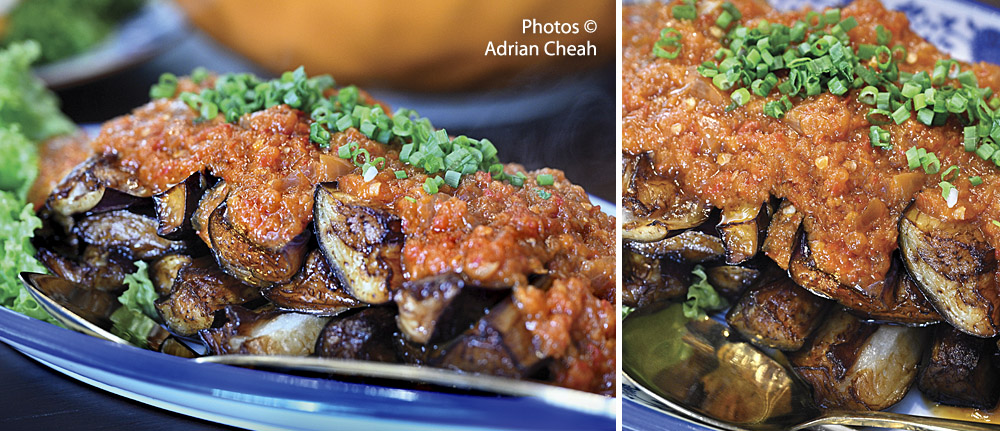
But it was the Sambal Terung that truly stole my heart. Soft slices of deep-fried eggplant, cloaked in a spicy sambal, delivered depth and warmth in equal measure. A recipe passed down from Auntie Gaik Lean’s mother, it carried with it generations of perfected flavours.
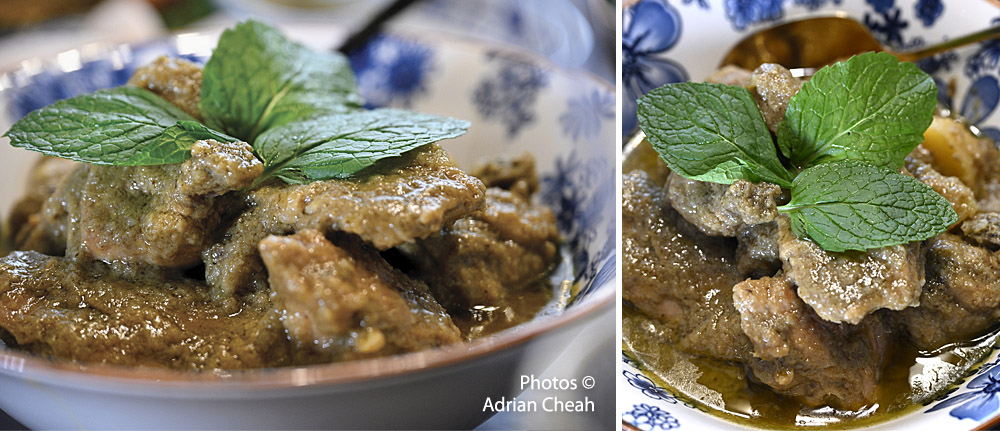
For chicken, I also selected two more classics. The traditional Hong Kay was truly lovely. The combination of coriander powder, taucheo (fermented soybeans) and cekur (sand ginger) created a flavour profile instantly recognisable. Auntie Gaik Lean also shared that she adds just a touch of kunyit (turmeric), giving the dish its gentle golden hue.
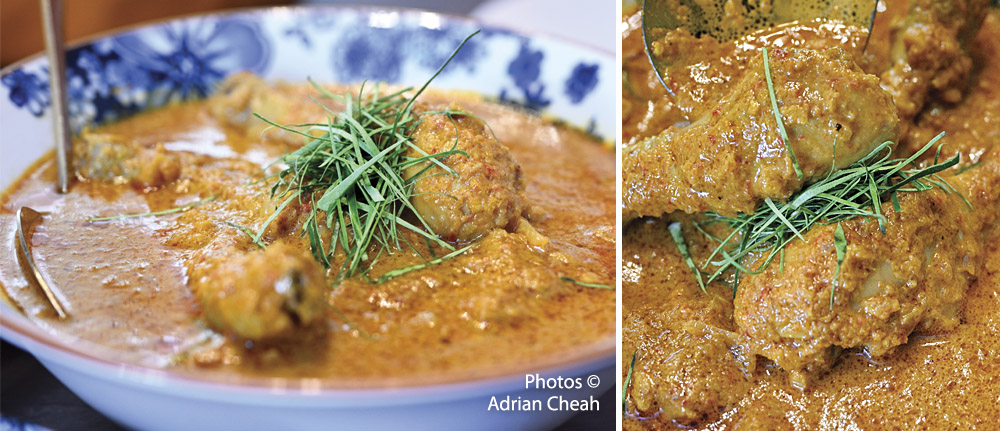
The authentic Kari Kapitan (Kapitan chicken curry) boasts a thick bright orangey hued gravy, a rich blend of aromatic spices and herbs, thickened with the lemak creaminess of santan (coconut milk). Auntie Gaik Lean uses only chicken thighs here, ensuring tender, juicy pieces in the dish.
The history of Kari Kapitan mirrors the journeys of Peranakan cuisine itself. While legend has it that the name arose when a ship’s cook, asked what was for dinner, replied, “Curry, Kapitan,” a more credible origin links it to the Anglo Indian Country Captain, a dry curry from Bengal served to British sea captains in the early 19th century. Ellice Handy’s My Favourite Recipes records two versions of this dish, and it likely traveled from India to Southeast Asia via British mariners and missionaries. Adapted over time in the Straits Settlements, it became a beloved Nyonya classic, celebrated for its fragrant spice, creamy texture, and rich heritage.
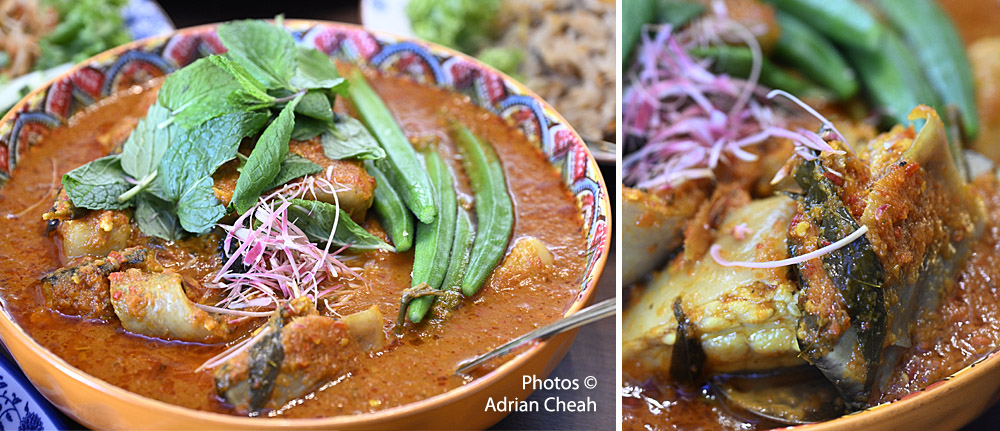
The Gulai Tumis followed: a hot-and-sour fish curry with stingray and ladies’ fingers, perfumed with bunga kantan (torch ginger bud). The gravy struck the perfect balance of flavours and texture, alive with the freshness of its ingredients. Some traditionalists argue that the curry should use only tow theh (white pomfret), exclude ladies’ fingers, and be garnished with thinly sliced fried tanau kiam hu (salted fish). I side with Auntie Gaik Lean, as my family has always prepared gulai tumis with ladies’ fingers. This style is also popular at various Hainanese restaurants across Penang.
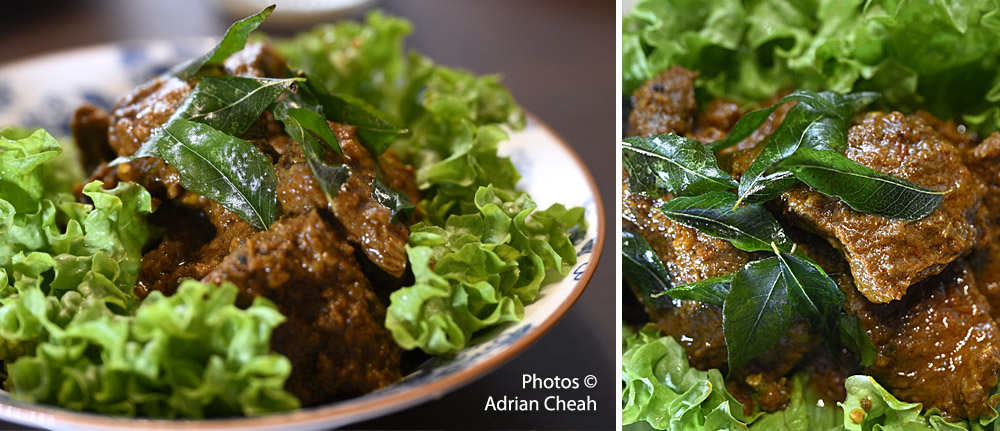
Adding to the spread, Auntie Gaik Lean personally served a complementary Beef Rendang, a slow-cooked dry curry she clearly takes pride in. The imported Australian Black Angus beef was cut against the grain, ensuring every piece remained succulent. Richly infused with aromatic spices and the creamy goodness of santan, the tender meat revealed the careful skill and patience that went into its preparation.
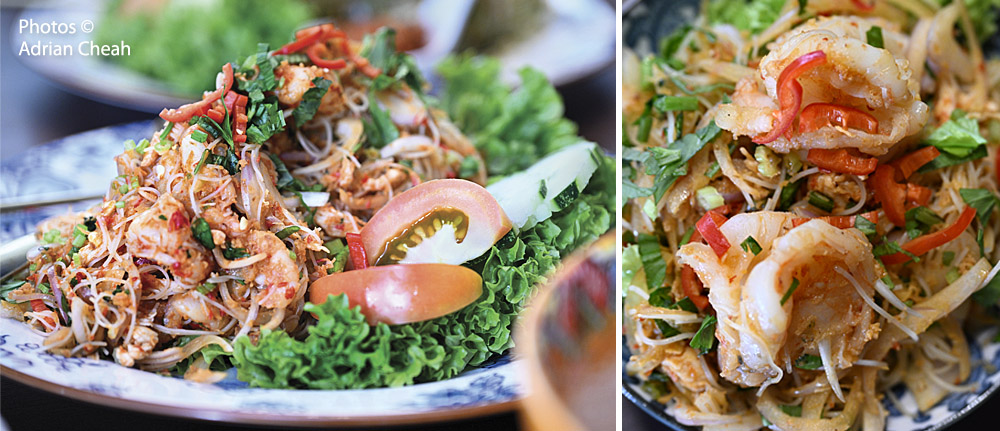
We also chose the Kerabu Bihun and Nasi Ulam to add to the spread. The Kerabu Bihun was so good that one plate simply would not do. As the photographer, I wanted to capture each dish at its most appetising, but not wanting to hold up the meal, I encouraged everyone to dig in once I had taken a few shots. In no time, the Kerabu Bihun had been devoured. Noticing this, Auntie Gaik Lean slipped into the kitchen and prepared a small portion for me, a gesture that spoke volumes of her warmth and attentiveness. Another plate was quickly ordered and enjoyed just as eagerly.
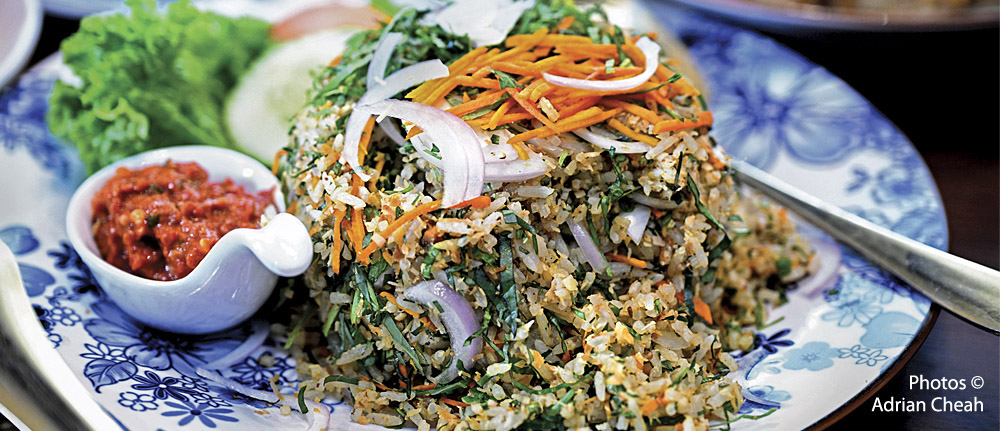
The Nasi Ulam, a fragrant medley of steamed white rice, finely shredded herbs, toasted coconut, dried shrimp, and salted fish was among my favourite dishes that afternoon. The hand-cut herbs ensure each grain is infused with aroma and character. The freshness of the herbs, the crunch of coconut, and the hint of saltiness of the shrimp and fish make it another delectable offering.
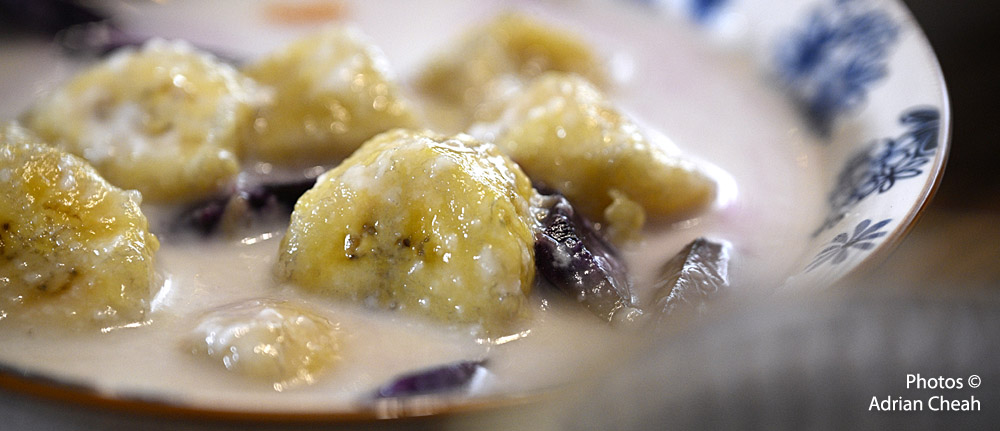
For dessert, although I had only ordered Bee Kor Moi, mindful of the birthday cake, Auntie Gaik Lean graciously served her signature Pengat and chilled Sago Gula Melaka as complementary treats as well.
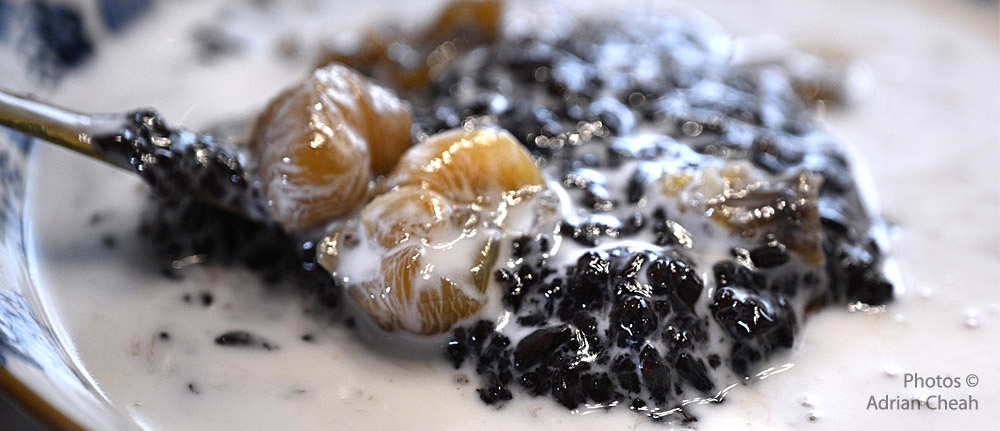
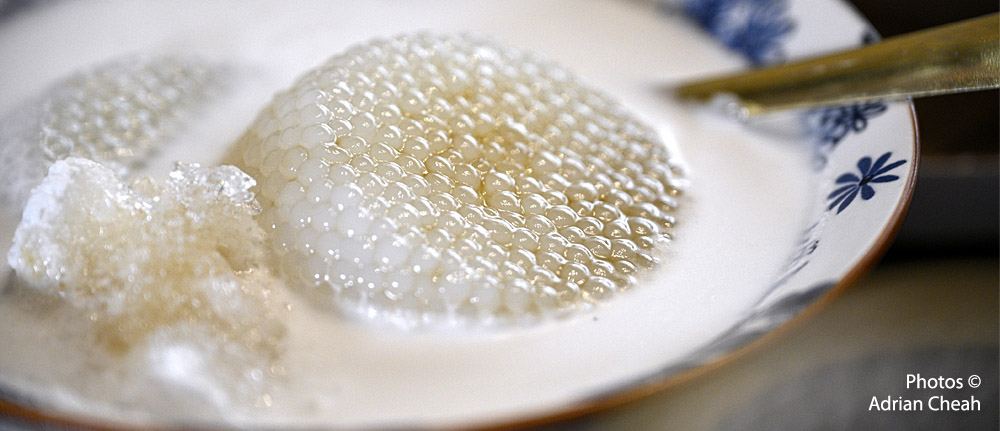
The thick Bee Kor Moi broth was silky smooth, its richness heightened by fresh santan. The warm Pengat, brimming with generous slices of pisang raja, was utterly indulgent, while the chilled sago pearls, bathed in coconut milk and sweetened with aromatic gula Melaka, provided a refreshing counterpoint. All three were sinfully divine, a glorious finale to a satisfying feast.
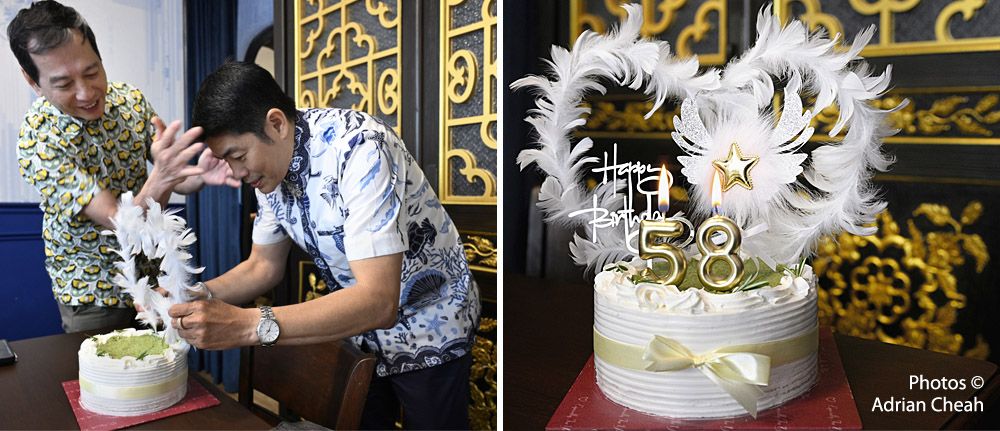
To mark the occasion, I brought along a creative Kaya Cake from Passion Heart Café, my go-to for cakes and tarts crafted with heart. Nely Koon, a dear friend, has lovingly prepared many of my celebration cakes over the years, and this one felt especially fitting, especially after a Nyonya feast. I added my own decorations, a personal touch for a very personal gathering.
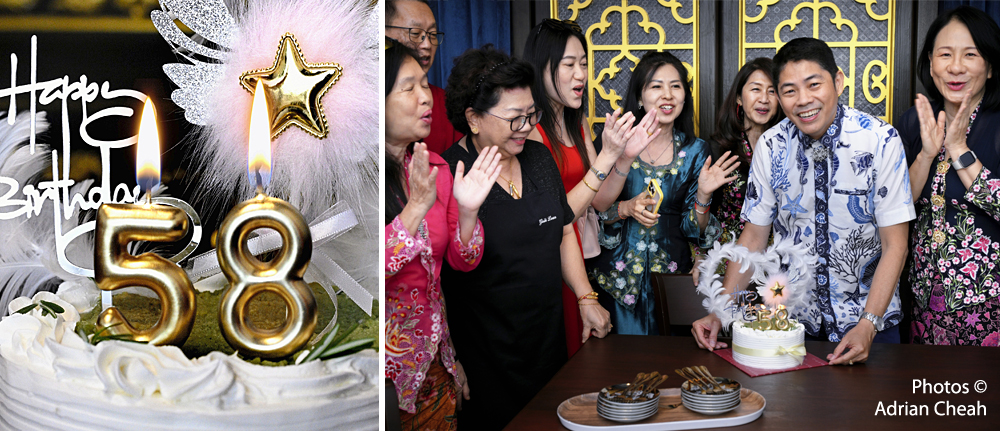
As I blew out the candles, I found myself wishing for continuity: health, cherished camaraderie, and the ability to keep gathering like this, around tables filled with joy.
The Auntie Behind the Food
What made this Nyonya luncheon truly special, however, was Auntie Gaik Lean herself. She spent time with us, joined our photographs, and filled the afternoon with her unmistakable warmth. Her generosity of spirit matches the warmth of her cooking.
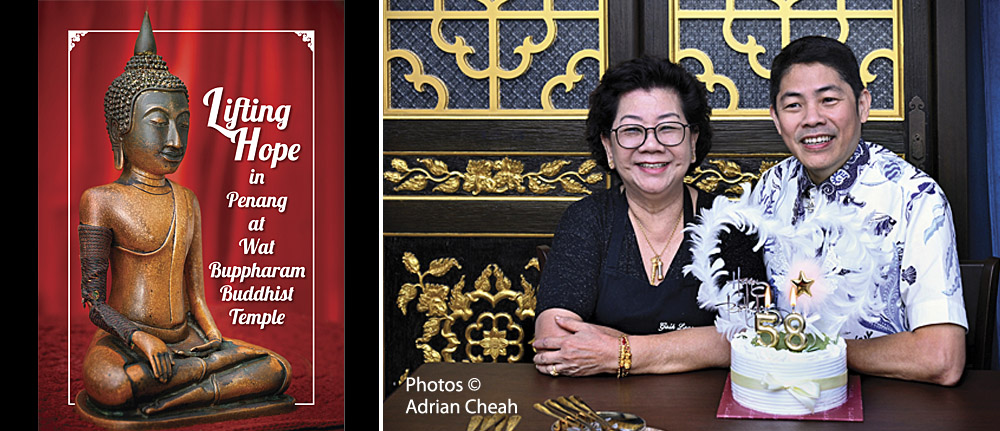
Over the past few years, I have come to know her beyond the kitchen. At her request, I had the privilege of writing and photographing a story for Wat Buppharam Buddhist Temple in Penang, producing a 24-page booklet documenting the temple she holds close to her heart. The story is also live on my website, allowing it to reach a global audience. For years, she has risen in the wee hours, four times a week, to prepare breakfast for the temple, delivering it with humble devotion. She shares a close bond with Chief Monk Archan Nui, whose dedication to the temple mirrors her own.
When I asked her once what keeps her going, she smiled and shared, "When you give sincerely, blessings and abundance will fill your heart". Indeed, compassion and gratitude are qualities Auntie Gaik Lean possesses in abundance, keeping her grounded and offering peace and stability in her daily life.
Since returning from Singapore in 2013, her son Adrian has worked tirelessly to build the restaurant into what it is today. The pandemic years were brutal, yet perseverance prevailed. The Michelin recognition, now four consecutive years including 2026, is more than an award for fine cooking—it stands as a nod to heritage, steadfast commitment, and the care poured into every dish as well.
From her early days cooking in a Motorola kitchen to supplying multinational canteens, Auntie Gaik Lean has built a remarkable culinary journey. Today, as a custodian of Chinese Peranakan tradition, she remains committed to honest, from-scratch cooking using fresh ingredients and rempah, and, above all, to always do it with love.
Full, In Every Sense
We left that afternoon utterly stuffed to the gills but even more, our hearts were full.
Full of gratitude.
Full of friendship.
Full of admiration for a woman whose life’s work feeds far more than appetites.

At soon-to-be 58, I feel incredibly lucky to still have friends of 39 years, to be welcomed so warmly at a table like this, and to witness the lives we share. I am equally thankful for all my dear friends from La Salle School, St. Xavier’s Institution, and the Malaysia Institute of Art, some of whom have been part of my life for even longer.
-------------------------------------
Written and photographed by Adrian Cheah
© All rights reserved
21 December 2025
If you enjoyed this story, you may like to bookmark this site or return for future essays.
-------------------------------------
Auntie Gaik Lean Old School Eatery
1, Bishop St, George Town, 10200 George Town, Penang.
T: +60 17-434 4398
Open: 1 2 pm – 2.30 pm; 6 pm – 9.30 pm, except Mondays and Tuesdays
Given the restaurant's popularity among both locals and travellers in search of an authentic taste of old-school Chinese Peranakan cuisine, I highly recommend making a reservation to secure your spot. If you are particularly eager to sample certain dishes, consider pre-ordering them as well.