An irresistible dim sum encounter at Bao Teck Tea House
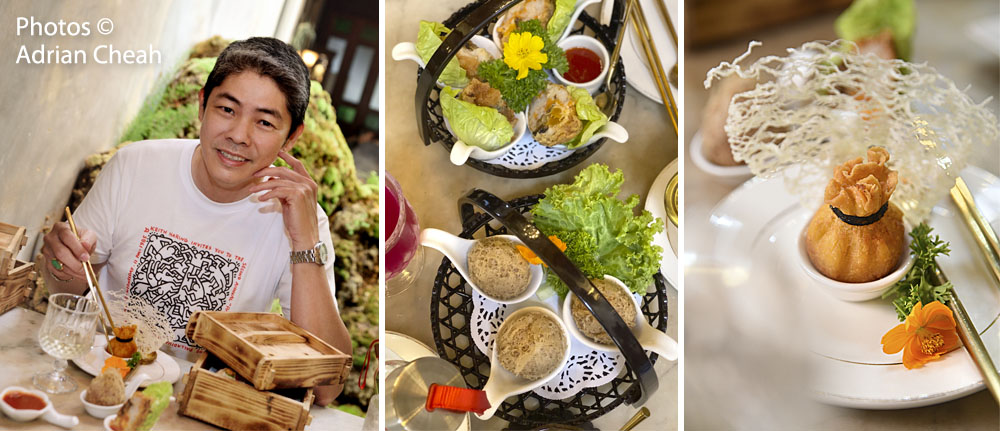
Dim sum ("touch the heart" in Chinese) refers to an array of dainty bite-size snacks enjoyed all over the world, especially among the Chinese communities. In Penang, dim sum is available for breakfast, lunch and even dinner from push-cart vendors, coffee shops, tea houses, restaurants and fine-dining establishments. Although the price difference can vary dramatically, there are many options for one to enjoy dim sum according to one's budget.
Continue Reading
Le Petit Four Patisserie serving little wonders of pleasure

When I was in France, I was bowled over by the pâtisseries, offering delicate beauties that were truly culinary works of art. Sipping a creamy cup of cappuccino while savouring a freshly baked croissant or a slice of the rich, decedent opera cake was indeed a heavenly experience.
Continue Reading
Roti canai, good for breakfast, lunch, tea, dinner, supper and any time in between
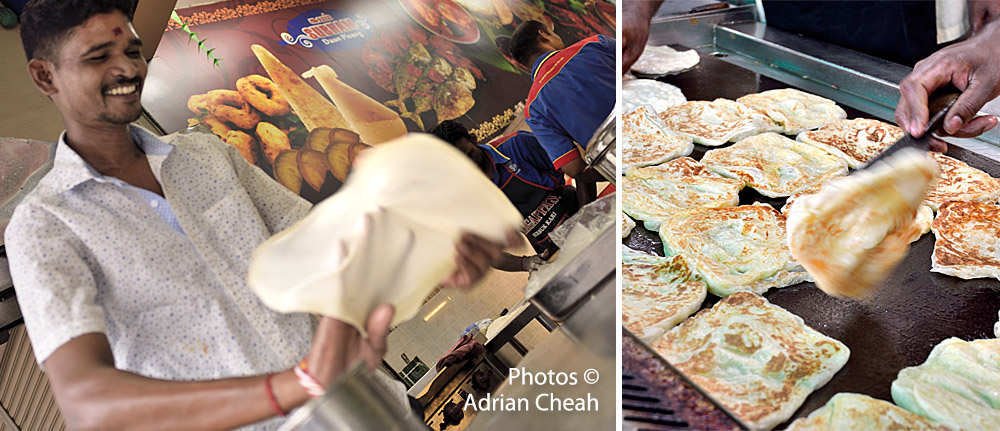
Yes, this is how popular roti canai is in Penang, available all day long at almost every street corner. This simple flatbread is adored by both young and old, men and women of all races in the country.
Continue Reading
Inventive roti canai sarang burung in Balik Pulau

Being a popular dish among Penangites and Malaysians at large, roti canai or roti paratha is a flaky, moreish flatbread enjoyed any time of the day. Made with flour, water, salt, a little sugar and fat, the mixture is kneaded into a dough and allowed to rest. It is then divided and rolled into palm-size balls. The rested dough ball is stretched; held at a corner, it is then flung in the air onto the oiled work surface twice or thrice, stretching it paper thin before folding to obtain a layered texture.
Continue Reading
Healy Mac’s Irish Bar & Restaurant – the friendly gastropub at Straits Quay, Penang
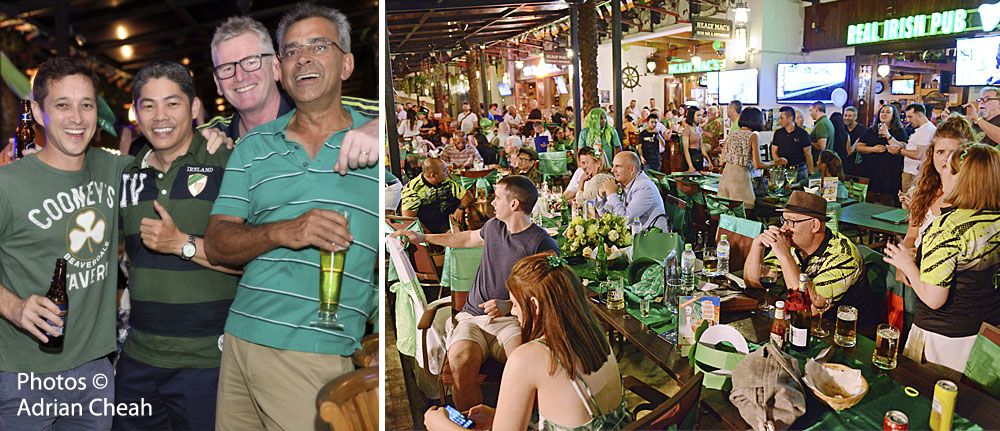
Healy Mac’s Irish Bar & Restaurant has a winning formula with a successful chain of gastropubs in Malaysia (one in Penang, one in Ipoh and four in Kuala Lumpur), Indonesia, Spain and Ireland. Having to do more than the luck of the Irish, it is hard graft, dedication and desire for constant improvement that the owner Liam Healy and his team have managed to establish an authentic Irish identity for his gastropubs since 2009.
Continue Reading
Savouring mouth-watering Chinese dishes at Jia Shi Restaurant (formerly at Song River)

It is vital for a restaurant to have popular signature dishes loved by many. This is an important factor in establishing a long and lasting clientele that will continue its patronage.
Continue Reading
Da Shu Xia Seafood House – sumptuous and fresh seafood in Penang

Penangites just want it all – fresh seafood, delicious flavours, beautiful presentations, a cosy ambiance, great service and above all, cheap prices!
Continue Reading
Feringgi Grill, redefining haute cuisine

Feringgi Grill, one of Penang's premier Western-style grill restaurants, has won numerous awards and accolades since 1973, delighting some of the most discerning diners. It is one of my favourite restaurants to celebrate a romantic evening or to mark a special occasion.
Continue Reading
A memorable 9-course vegetarian dinner at Happy Realm
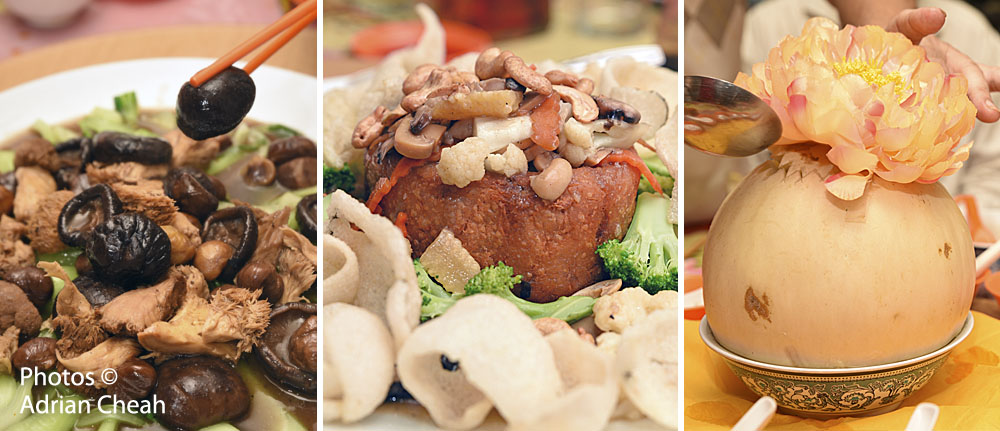
Being a food paradise, Penang offers many avenues for full-fledged vegetarians to obtain scrumptious meals. From Indian vegetarian restaurants to Chinese outlets, there is a wider range of food available. During the Jade Emperor Festival (first to the ninth of the ninth month of the lunar calendar), more stalls mushroom all over Penang selling vegetarian delights from rice dishes to stir-fried noodles and from Chinese cakes to Italian pizzas. Furthermore with the creation of faux meats, some dishes are unbelievably "uncanny".
Continue Reading
Memories of Auntie Jo's delightful jelly mooncakes

The story of the mooncake stretches far back into the mists of antiquity. As early as the Shang Dynasty (c. 1600–1046 BC) and the Zhou Dynasty (1046–256 BC), their predecessor, the taishi cake, was already present. Over centuries, mooncakes evolved into a symbolic offering for the Mid-Autumn Festival, a tradition that continues to this very day. Though the classic baked mooncake has endured for thousands of years, the art of mooncake-making has never stood still. It has adapted, innovated and reimagined itself in step with the times.
Continue Reading


